

Can You Wear a Kaftan to a Wedding? From Formal Ceremonies to Beach Celebrations
Yes, you can wear a kaftan to a wedding, as long as the design matches the dress code, venue and time of day. A floor-length kaftan with polished draping or refined embellishment can suit a formal evening celebration, while a more fluid, lightly detailed style may feel right for a beach or destination wedding.
The key is not simply whether the garment is called a kaftan. Its fabric, construction, coverage, color and overall finish determine whether it reads as wedding guest attire or casual resort wear.
If the invitation is unclear, compare the kaftan with what you would otherwise wear to the same event. Would its fabric, detailing and accessories feel appropriate beside an elegant maxi dress or evening gown? If the answer is yes, the kaftan can be a distinctive and comfortable choice.
When Is a Kaftan Appropriate for a Wedding?
A kaftan works particularly well when the wedding calls for an outfit that combines coverage, movement and occasion-level detail. Its relaxed construction can offer room through the body and arms, while a maxi length creates an elegant line.
However, “relaxed” should not be confused with “casual.” Some kaftans are designed as swim cover-ups or informal vacation pieces. Others use structured draping, cape-like sleeves, beading, embroidery or sequins to create a much more elevated impression.
Before choosing one, check four parts of the invitation:
- Dress code: Formal, black tie, semi-formal or beach formal each requires a different level of polish.
- Venue: A ballroom, place of worship, resort and ceremony directly on the sand present different practical considerations.
- Time: Evening weddings usually support richer colors and more noticeable embellishment than casual daytime ceremonies.
- Cultural context: If the celebration has religious or cultural customs, ask the couple or someone close to them about expected coverage, color and formality.
The safest approach is to treat the kaftan as an occasion dress rather than a novelty or costume. Choose it because the silhouette meets the event’s requirements and your personal coverage preferences.
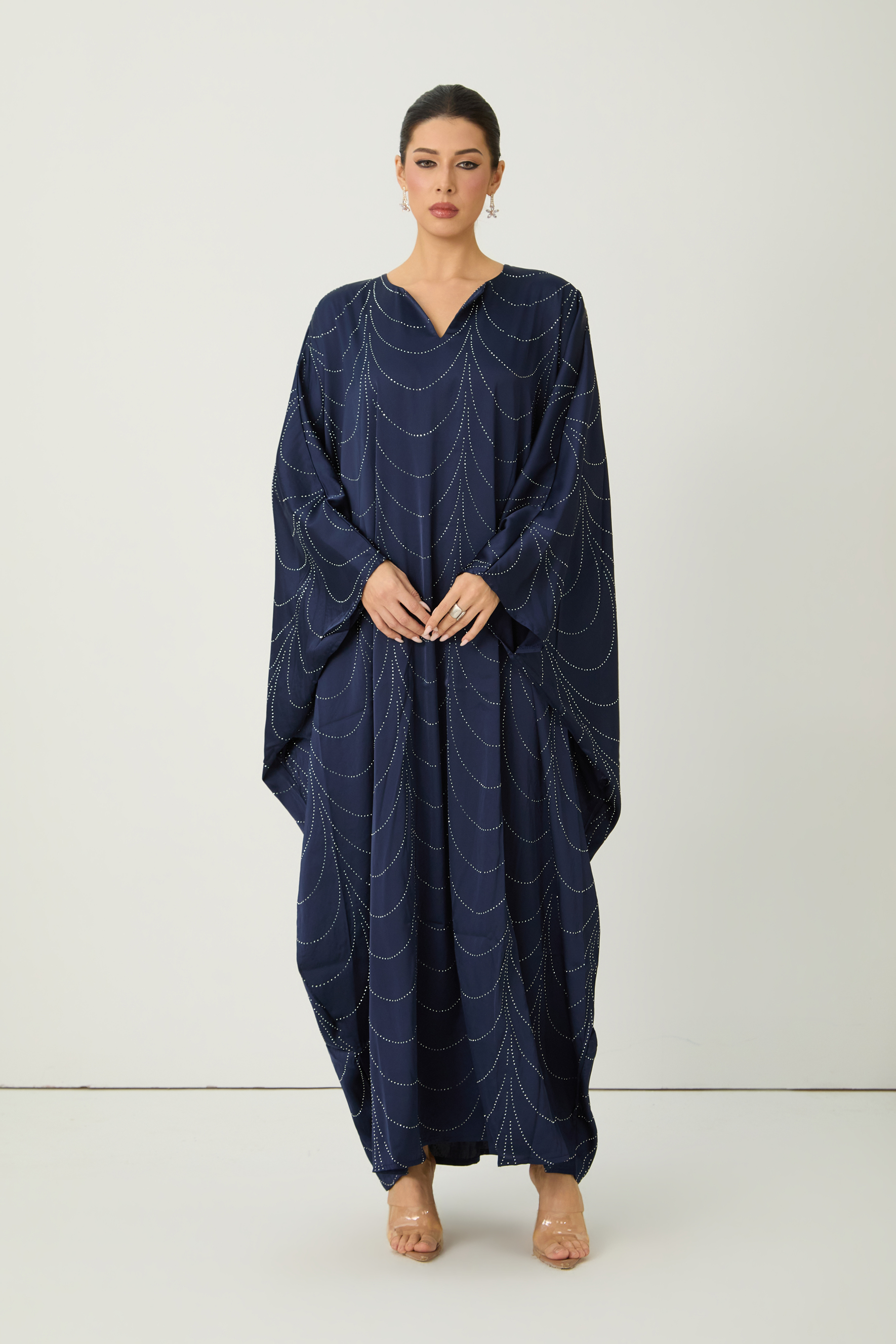
SHOP THE LOOK: Signature Elegance Blue Rhinestone Embellished Draped Maxi Kaftan
Formal vs Beach Kaftans at a Glance
| Decision point | Formal wedding kaftan | Beach wedding kaftan |
|---|---|---|
| Overall impression | Polished, dramatic and evening-ready | Refined, fluid and suited to the setting |
| Length | Usually floor-length | Maxi or ankle-length, depending on the surface |
| Details | Beading, embroidery, sequins, defined draping or cape elements | Softer draping, restrained embellishment or an expressive print |
| Color direction | Jewel tones, black, navy, metallic accents or rich neutrals | Ocean tones, warm sunset colors, botanical prints or saturated brights |
| Shoes | Dress heels, formal flats or sleek heeled sandals | Wedges, block heels, dressy flats or stable sandals |
| Main risk | Looking too casual or shapeless | Looking like a swim cover-up rather than guest attire |
| Practical check | Does it look polished enough for the reception? | Can you walk comfortably on sand, decking or grass? |
This comparison is a starting point rather than a rigid rule. A beach wedding held at a luxury resort may require more formal clothing than a casual ceremony at a local shoreline. The invitation remains the best guide.
How to Choose a Kaftan for a Formal Wedding
A formal wedding kaftan should have enough visual structure to hold its own in an evening setting. That structure does not need to come from a tight waist or fitted bodice. It can be created through controlled draping, a defined neckline, intentional sleeve construction and decorative placement.
Look for an Elevated Finish
For a formal or black-tie wedding, consider a maxi kaftan with one or two clearly elevated features:
- Embellishment concentrated around the neckline, shoulders or cuffs
- Embroidery that gives the surface visible dimension
- Sequins or rhinestone details used as part of the design
- Cape sleeves or batwing sleeves with an intentional drape
- A defined center line, neckline or waist detail that gives the silhouette focus
The goal is to distinguish the piece from an everyday loose dress. sunfere’s kaftan collection includes maxi-length options with long or three-quarter sleeves, while details and stretch vary by style. Check each product page rather than assuming every kaftan has the same fit or construction.
Let the Fabric and Drape Carry the Formality
A loose silhouette can still appear formal when the fabric falls cleanly and the design retains its shape. If a kaftan collapses into an undefined volume or resembles a casual cover-up, accessories alone may not make it appropriate for a formal ceremony.
Review the product images from the front, side and back. Look at how the garment hangs from the shoulders, where any embellishment is placed and whether the hem has enough weight to fall smoothly. Also check the stated fabric composition, lining, stretch and care instructions before ordering.
For more traditionally structured alternatives, compare the kaftan with formal wedding guest dresses. This can help you judge whether the overall level of finish matches the event.
Choose Accessories That Refine Rather Than Compete
An embellished kaftan already creates a strong visual statement. Pair it with a compact clutch, polished shoes and restrained jewelry. If the neckline includes beading or embroidery, earrings may work better than an additional necklace.
A simpler kaftan gives you more freedom to introduce a sculptural earring, metallic bag or decorative shoe. Keep the visual emphasis to one or two areas so the outfit feels composed rather than crowded.
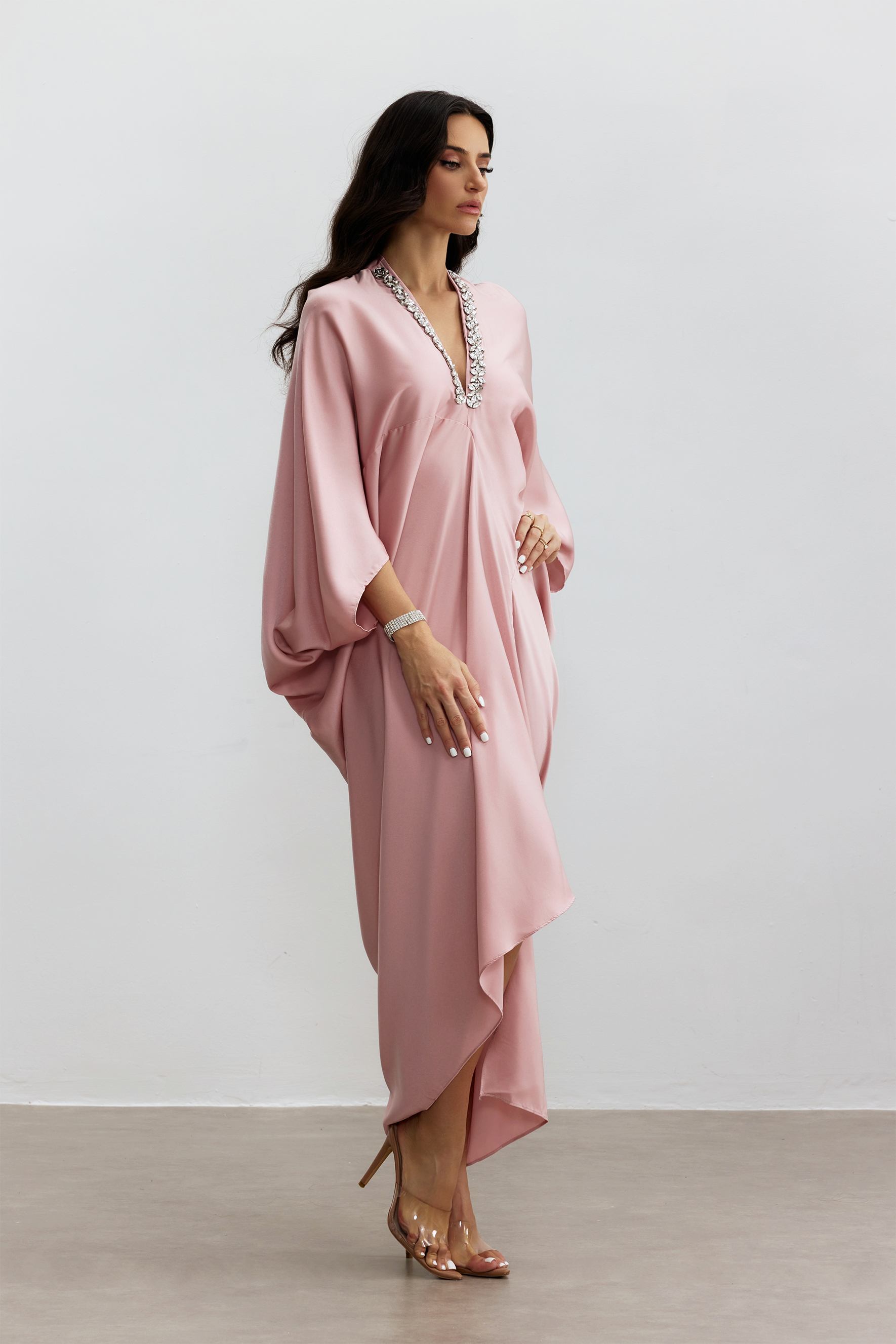
SHOP THE LOOK: Tasha Embellished V Neck Maxi Kaftan
How to Choose a Kaftan for a Beach Wedding
A beach wedding allows more movement and color, but it still calls for a garment that looks intentional enough for a ceremony. The distinction between a beach wedding kaftan and a beach cover-up is especially important.
A wedding-appropriate style should provide sufficient coverage, a considered silhouette and a finish that works with accessories. Very sheer designs, open-sided cover-ups or pieces intended to be worn over swimwear may feel too casual unless the couple has specifically requested resort-casual clothing.
Match the Kaftan to the Actual Venue
“Beach wedding” can describe several settings:
- A ceremony directly on the sand
- A lawn overlooking the ocean
- A resort terrace
- A hotel ballroom following an outdoor ceremony
- A destination celebration that moves through several locations
For sand, avoid a hem that trails well beyond your shoes. An ankle-grazing design may be easier to manage than a very long train. For a resort terrace or indoor reception, a full-length kaftan can work if you can move, sit and dance comfortably in it.
sunfere’s beach wedding guest dresses provide a useful reference for the level of polish expected at coastal celebrations, including flowing maxis, midis and styles designed around movement.
Use Color to Connect the Look to the Setting
Ocean blue, deep green, coral, pink, orange and botanical prints can feel natural at a coastal wedding. Evening ceremonies can support richer or more saturated shades, while daytime events often suit clearer colors and expressive prints.
White, ivory and pale cream may appear bridal, particularly in a long, flowing silhouette. Unless the couple has requested a white palette, choose a color or print that is clearly distinct from bridal attire.
A small amount of white within a multicolor pattern may be acceptable in some settings, but consider the overall impression in both daylight and photographs. When the look could reasonably be mistaken for bridal, another color is the simpler choice.
Plan for Wind, Heat and Uneven Ground
A flowing kaftan can move beautifully in a coastal breeze, but very wide sleeves and lightweight panels may also shift more than expected. Check whether you can lift your arms, manage the fabric while eating and keep the hem clear of the ground.
Fabric performance varies by garment. Do not assume a kaftan is breathable, opaque or wrinkle-resistant because it has a loose fit. Review the composition and lining information for the individual style, especially if the ceremony will take place in direct sunlight.
Complete the outfit with stable footwear. Wedges, block heels, dressy flats and elegant sandals generally handle sand or decking more easily than narrow stilettos.

SHOP THE LOOK: Refined Attitude Apricot Embroidered Animal Bell Sleeve Maxi
Can a Kaftan Work for a Semi-Formal Wedding?
Yes, but the styling needs balance. A heavily sequined kaftan may feel excessive at a daytime semi-formal wedding, while a very plain one may look underdressed at an evening reception.
For a semi-formal event, look for controlled draping, a polished neckline and a maxi or ankle length that does not overwhelm the setting. One decorative feature, such as embroidery, a cape sleeve or a distinctive print, may be enough.
You can also compare the outfit with semi-formal wedding guest dresses. If the kaftan appears noticeably more casual or more elaborate than the surrounding options, adjust the style or accessories accordingly.
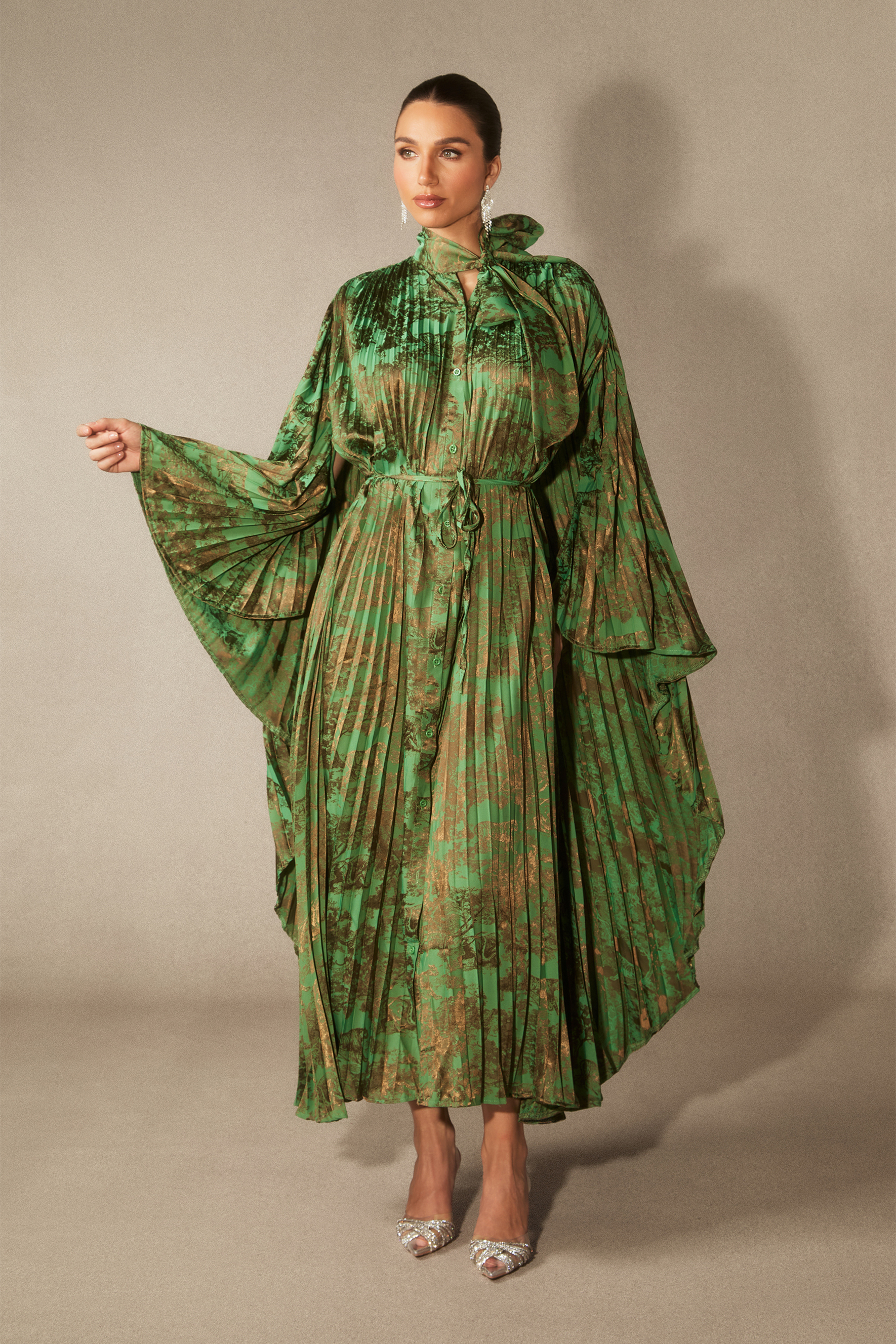
SHOP THE LOOK: Leona Pleated Bodice Cape Sleeve Maxi Dress
Is a Kaftan a Good Modest Wedding Guest Outfit?
A kaftan can be a strong modest wedding guest option because many designs combine a long hem, extended sleeves and a relaxed fit. Still, modesty is personal and may also depend on the ceremony’s religious or cultural expectations.
Check the neckline, sleeve openings, side seams and fabric opacity rather than relying on the overall loose silhouette. Wide sleeves can reveal more of the arm when raised, and an unlined light-colored fabric may offer less coverage in strong daylight.
If coverage is your main priority, compare several silhouettes within sunfere’s modest dresses. Look for the combination of sleeve length, neckline, opacity and movement that feels right for you and the event.
A coordinating slip or underlayer may help with coverage, but it should not restrict the kaftan’s drape or create visible bunching. Verify the individual garment’s lining and construction before deciding whether another layer is needed.
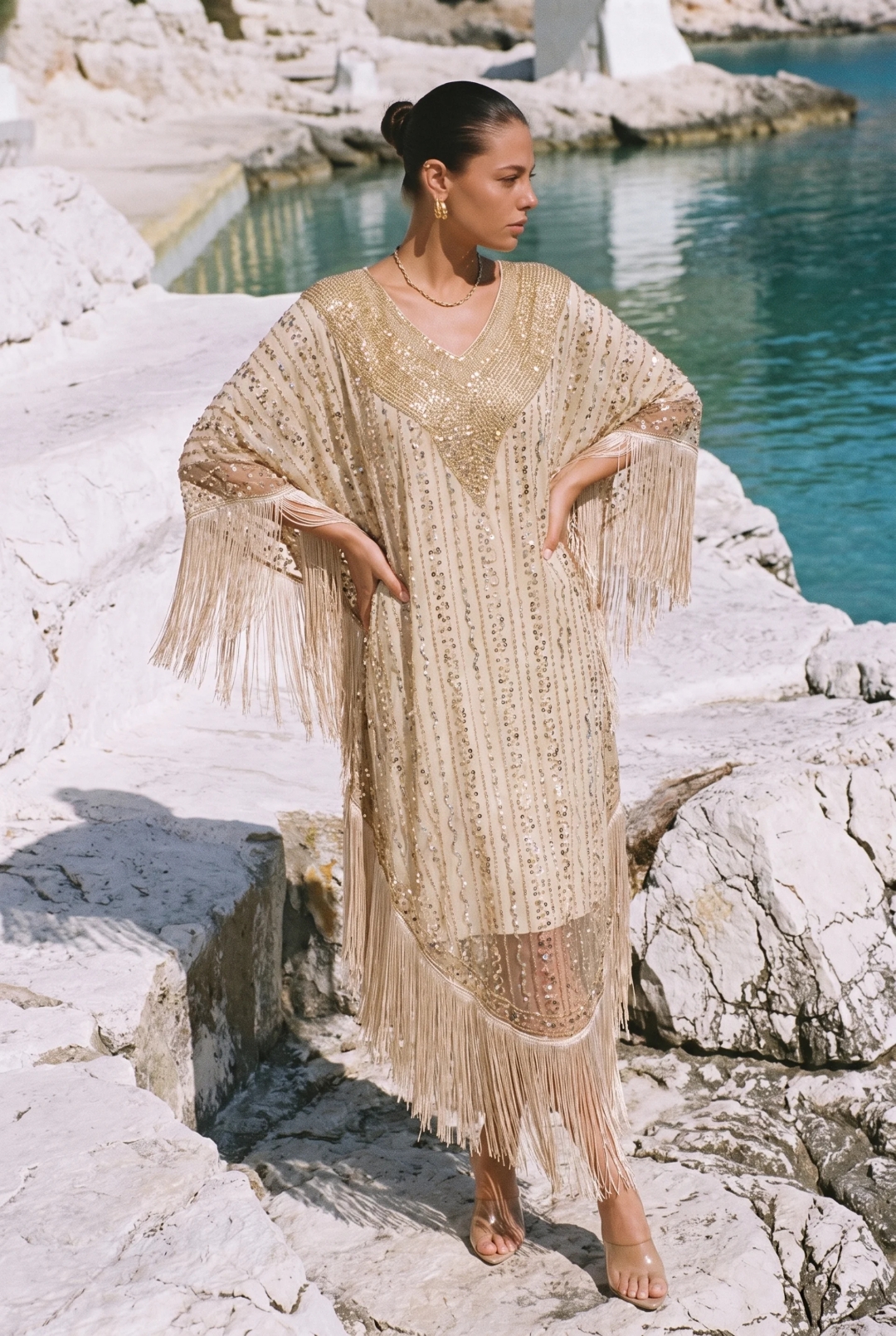
SHOP THE LOOK: Turn Heads Tonight Beige Sequin Embellished Fringe Maxi Dress
How Should a Wedding Guest Kaftan Fit?
The kaftan should look intentionally relaxed, not simply oversized. The shoulders, neckline and hem are especially important because these areas give the garment its visual structure.
Check that:
- The neckline stays in place when you sit or move.
- The sleeves do not prevent you from eating or carrying a bag comfortably.
- The hem works with your chosen shoes.
- Decorative elements sit where intended rather than pulling to one side.
- You have enough space to walk and dance without gathering excess fabric.
- The underarm and side openings provide the coverage you expect.
“One size” does not mean that a garment will create the same proportions on every body. Compare the listed garment measurements with your bust, waist, hips and height. Pay attention to length even when the body fit is generous.
If a kaftan feels visually overwhelming, choose accessories that introduce definition without changing the garment’s intended construction. A structured clutch, visible shoe or clean hairstyle may provide enough balance. Avoid automatically adding a belt unless the design is meant to be belted, as this can distort the drape or embellishment placement.
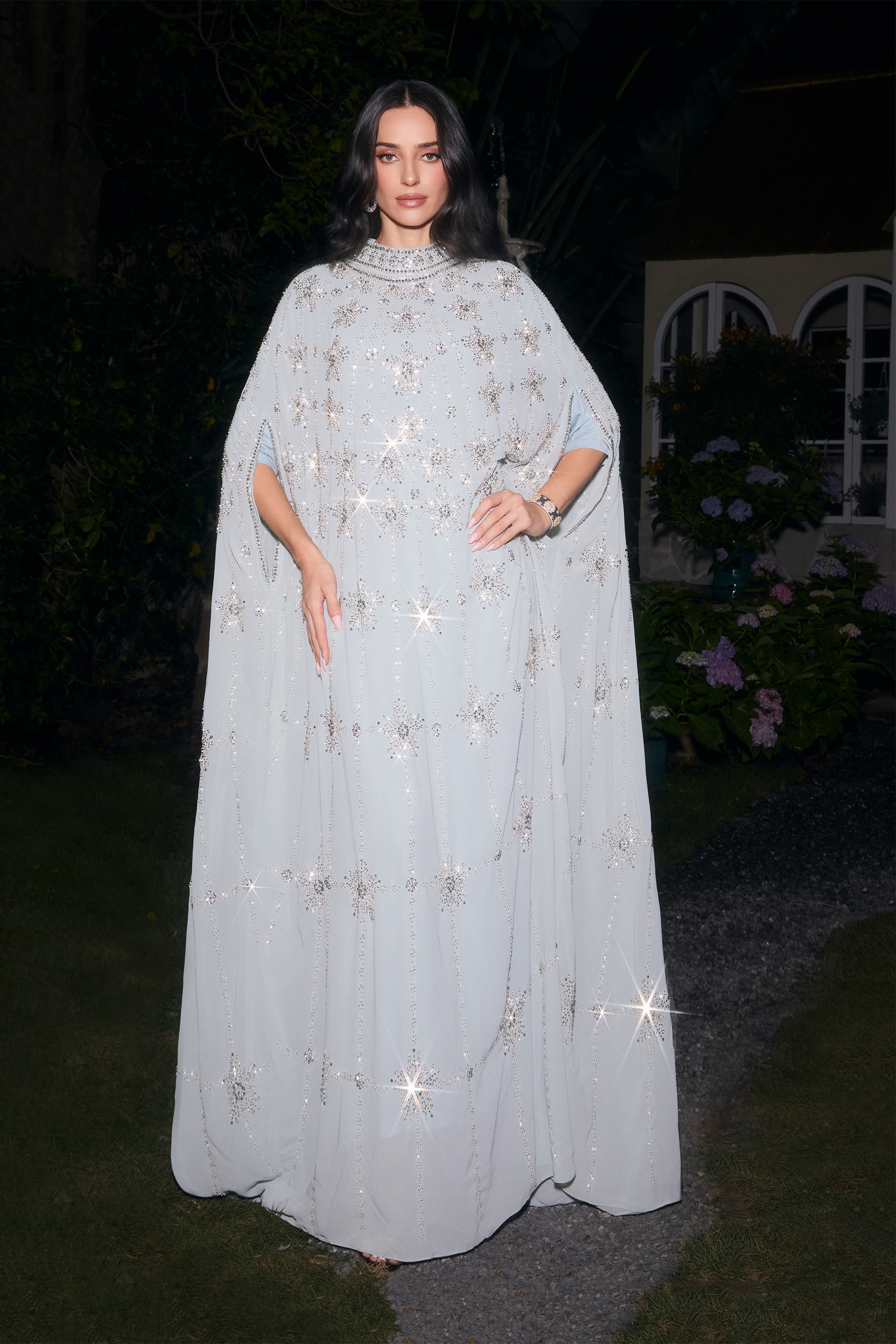
SHOP THE LOOK: Glowing Charisma Light Blue Sequin Embellished Cape Maxi Dress
What Should You Avoid When Wearing a Kaftan to a Wedding?
Several details can make an otherwise appealing kaftan feel wrong for the event.
A Style That Resembles a Cover-Up
Sheer fabric, open sides or a distinctly swimwear-oriented design can look too casual. Beach location does not automatically mean beachwear.
Excess Fabric Around the Hem
A floor-sweeping design may be elegant indoors but difficult on sand, gravel or grass. Check the venue and shoe height before committing to the length.
Competing Embellishments
If the kaftan already includes sequins, stones, embroidery or a detailed neckline, adding large jewelry and a heavily decorated bag can make the outfit feel overloaded.
Bridal Colors or Styling
A white or ivory floor-length kaftan can appear bridal, particularly when it includes lace, pearls or shimmering embellishment. Choose a clearly non-bridal color unless the couple has stated otherwise.
Ignoring the Dress Code
The word “kaftan” does not automatically make a garment formal, modest or beach-appropriate. Judge the actual piece by its fabric, coverage, length, construction and finish.
Treating Cultural Dress as a Costume
Kaftans have cultural significance in multiple regions and communities. Wear the garment as clothing, not as a themed disguise. If the wedding follows traditions unfamiliar to you, asking the couple about appropriate dress is more respectful than relying on assumptions.
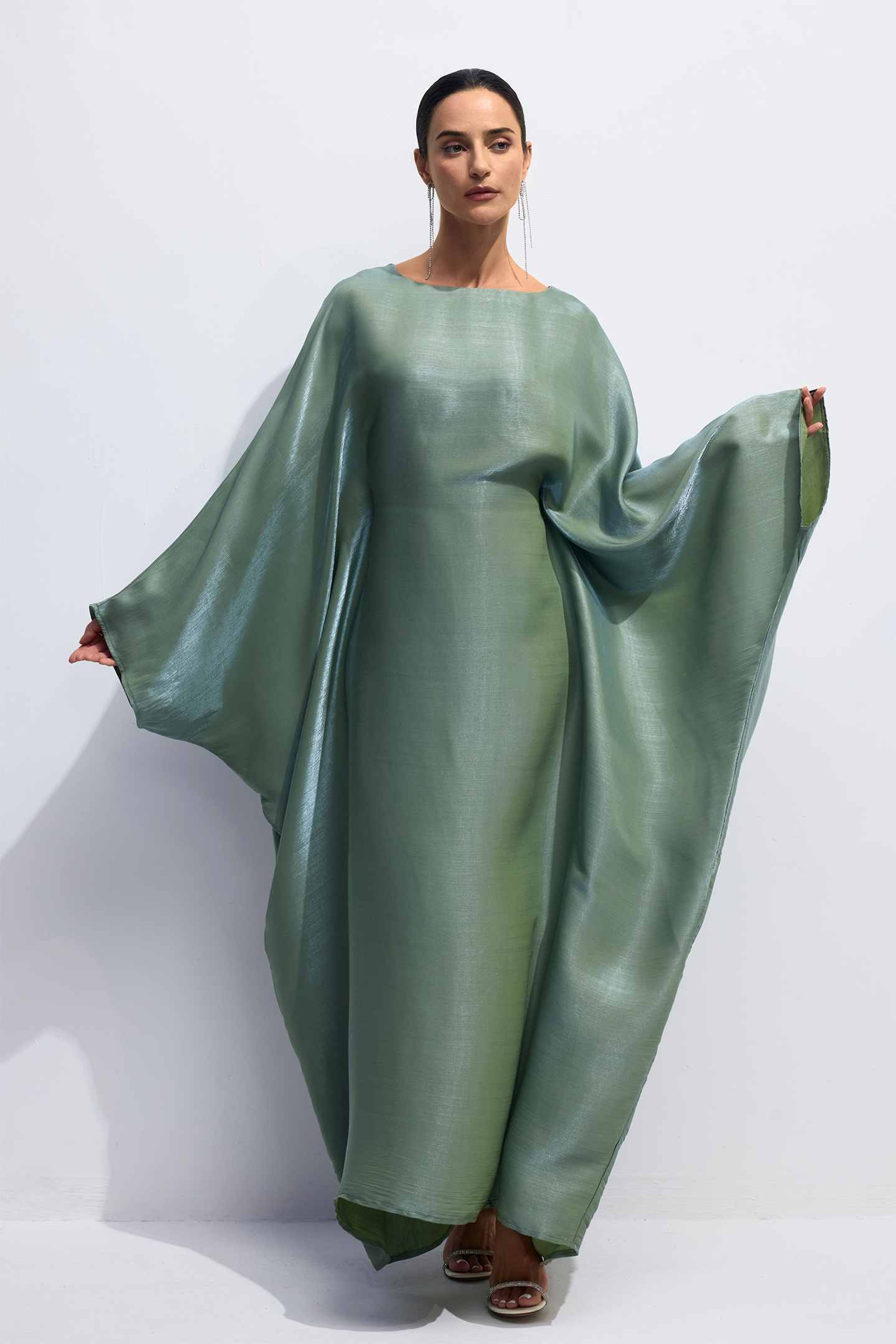
SHOP THE LOOK: Madeline Batwing Sleeve Maxi Kaftan
A Final Checklist Before You Wear a Kaftan to a Wedding
Before ordering or finalizing the outfit, ask:
- Does the kaftan match the invitation’s stated dress code?
- Is the color clearly appropriate for a wedding guest?
- Does the design look like occasionwear rather than a cover-up?
- Can I walk, sit, eat and dance comfortably in the sleeves and hem?
- Have I checked the fabric, stretch, lining and garment measurements?
- Will my shoes work on the ceremony and reception surfaces?
- Do the accessories support the kaftan instead of competing with it?
- Are there cultural or religious expectations I should confirm?
If the answers are clear, a kaftan can be an elegant alternative to a conventional wedding guest dress. Browse sunfere’s wedding guest dresses for a broader comparison, or start with the kaftan collection when you want a long, expressive silhouette with more coverage and movement.
Conclusion
You can wear a kaftan to a formal, semi-formal or beach wedding when its design reflects the occasion. For formal celebrations, prioritize floor-length construction, controlled draping and elevated details. For beach weddings, focus on polished movement, manageable length and practical footwear without slipping into cover-up territory.
The most reliable test is to evaluate the complete outfit rather than the garment label. When the fabric, finish, coverage, color and accessories match the invitation, a kaftan can feel both distinctive and entirely appropriate for the celebration.
FAQs About Wearing a Kaftan to a Wedding
Can a wedding guest wear a black kaftan?
Yes, a black kaftan can work particularly well for a formal or evening wedding. Choose refined draping or occasion-appropriate embellishment, then add metallic accessories or color through your shoes, bag or jewelry if the outfit feels too dark for the setting.
Should you wear a belt with a kaftan to a wedding?
Only wear a belt if the kaftan is designed to accommodate one. Adding a belt to an embellished or carefully draped style may pull the fabric out of position, so check the product styling and construction before changing its silhouette.
Can the mother of the bride or groom wear a kaftan?
Yes, an elegant kaftan can give the mother of the bride or groom formal coverage without requiring a closely fitted silhouette. The color and level of embellishment should coordinate with the wedding palette and dress code without appearing bridal or competing with the couple’s chosen attire.
