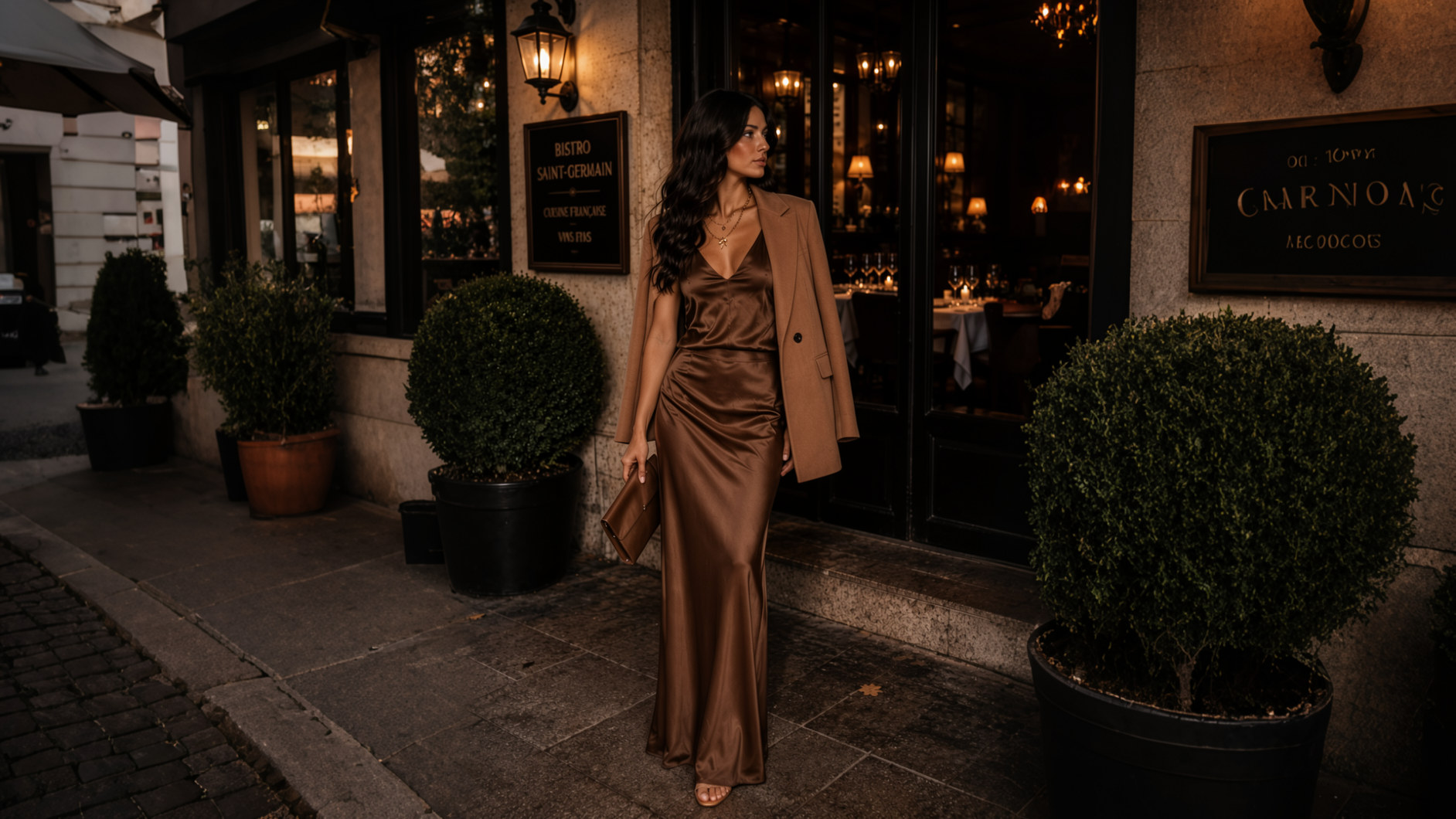

Fall Cocktail Dress Guide: Colors, Fabrics, Layers, and Occasion Styling
A fall cocktail dress has to do more than look festive in a mirror. It needs to match the invitation, feel comfortable through a cool arrival and a warm reception, photograph well in autumn light, and work with the shoes and outer layer you can realistically wear. The most useful approach is to build the outfit in order: confirm the dress code, choose a fall-appropriate color and fabric, check the venue, then add one controlled layer and a small set of accessories. The current sunfere cocktail dresses collection is a practical place to compare lengths, necklines, sleeves, and levels of embellishment while you work through that sequence. This guide focuses on decisions rather than rigid rules, because an October rooftop reception, a September hotel cocktail hour, and a November restaurant party can all ask for a different balance of polish, warmth, and movement.
Before choosing a specific piece, separate confirmed facts from assumptions: use the invitation or wardrobe need, current product details, personal measurements, and a real movement test. This keeps the guide practical while allowing individual style to remain visible.
Use the sections in order on a first pass, then return to the two decisions that create the largest trade-off for you. Keep a short note of the option, the reason it works, the unresolved concern, and the live page checked. That record makes it easier to compare alternatives without reopening the entire search, and it prevents a late change in one component from quietly undermining the rest of the outfit. The goal is not to satisfy every possible rule; it is to build one coherent answer for the actual event, costume plan, or seasonal wardrobe you are preparing for.
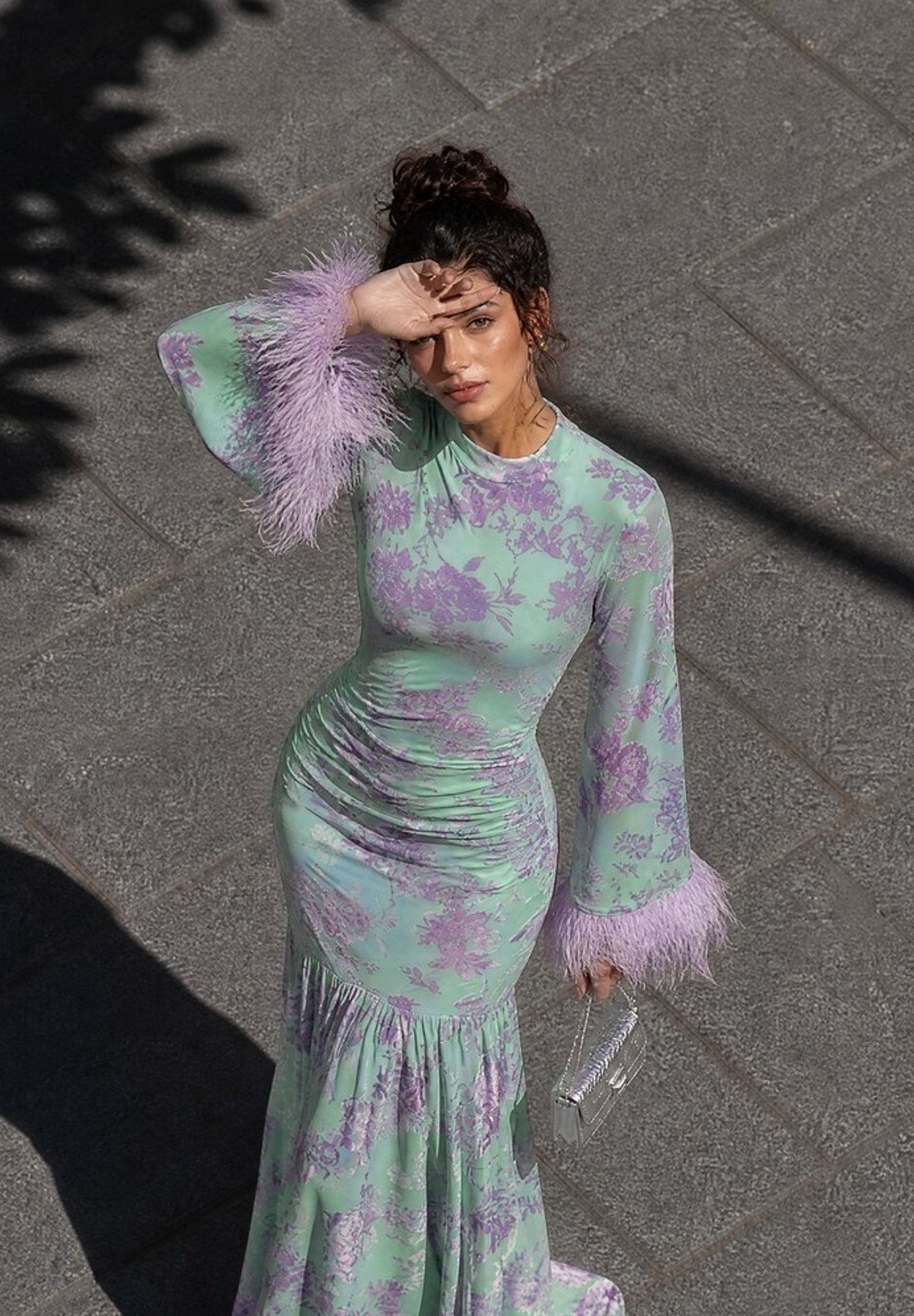
SHOP THE LOOK: Elsie Long Sleeve Cape Detail Maxi Dress
Start With the Cocktail Dress Code, Not the Season
What to Evaluate
Cocktail attire usually sits between casual partywear and floor-length formal dressing, so the invitation and venue should set the formality ceiling before autumn styling begins. Review cocktail dress guide as a current sunfere example or category reference. Use the linked page to identify the visible variables that matter here, then translate those observations into your own event, body, or wardrobe constraints. A current example is evidence of what can be compared, not proof that the same choice works in every situation.
Read the invitation language, note the start time, and check whether the event is held in a hotel, restaurant, gallery, garden, or private home. Choose a polished silhouette that lets you sit, walk, and socialize without constant adjustment. Write the non-negotiables down before browsing further. Separating dress code, movement, temperature, reuse, and personal comfort prevents an attractive image from quietly replacing the actual decision you need to make.
Trade-Off and Final Check
A seasonal color cannot rescue a dress that is too casual or too formal for the event. When the invitation is vague, aim for refined construction and moderate embellishment rather than a dramatic gown or a daytime sundress. If a choice creates a conflict with the invitation, venue, or planned use, solve that conflict first. Styling should refine a sound decision rather than disguise a mismatch that will remain noticeable throughout the event.
Before moving on, state the decision in one sentence and name the evidence behind it. If the reason is only that the image is attractive, the comparison is not finished.
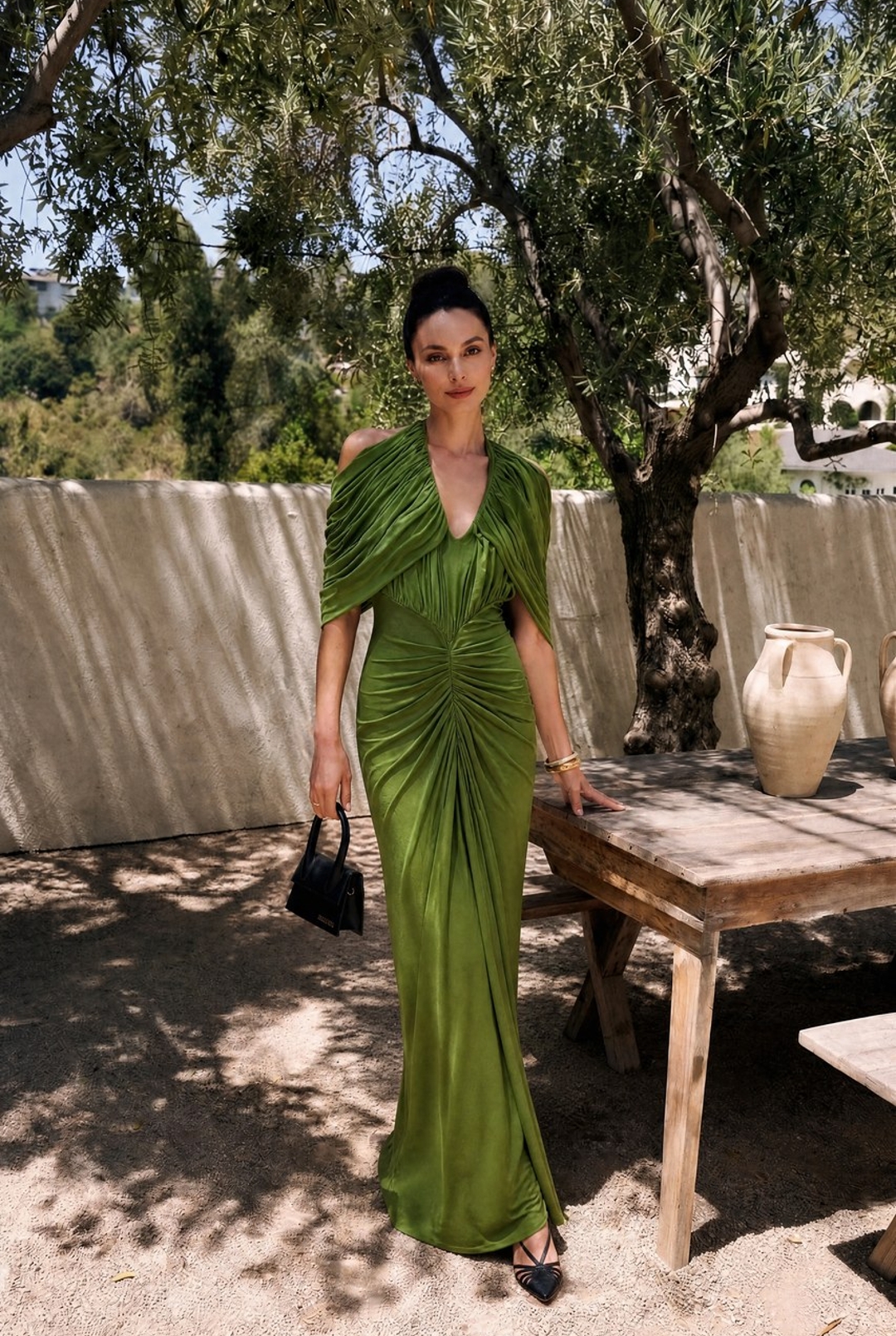 SHOP THE LOOK: Graceful Arrival Green Draped V Neck Ruched Maxi Dress
Choose an Autumn Color With Enough Contrast
What to Evaluate
Burgundy, forest green, chocolate, navy, plum, and saturated jewel tones often feel natural in fall, but the best shade is the one that remains distinct from your coat, shoes, and the venue backdrop. Review fall dress edit as a current sunfere example or category reference. Look beyond the category label and study proportion, seam placement, coverage, and visual weight. Those details explain why two pieces described with similar words can produce very different results once shoes, layers, and personal proportions are added.
Build a three-color limit: one dominant dress color, one neutral for shoes or outerwear, and one metallic or tonal accent. Check the combination in indoor and outdoor light because dark colors can merge together in evening photos. Compare the option with a garment you already trust. A known dress gives you a realistic reference for length, neckline, room, and movement, making the current measurements more meaningful than a size name by itself.
Trade-Off and Final Check
All-black can be elegant, but flat black from neckline to floor may lose shape. Texture, a visible neckline, or a contrasting accessory can restore dimension without turning the outfit into a theme. When a trade-off is unavoidable, decide which limitation is easier to manage for the full occasion. A planned layer or simple accessory is usually easier to control than a restrictive seam, unstable neckline, dragging hem, or unclear level of formality.
Record the measurement or proportion that matters most for this choice. That single reference makes later comparisons faster and reduces the temptation to rely on inconsistent size labels.
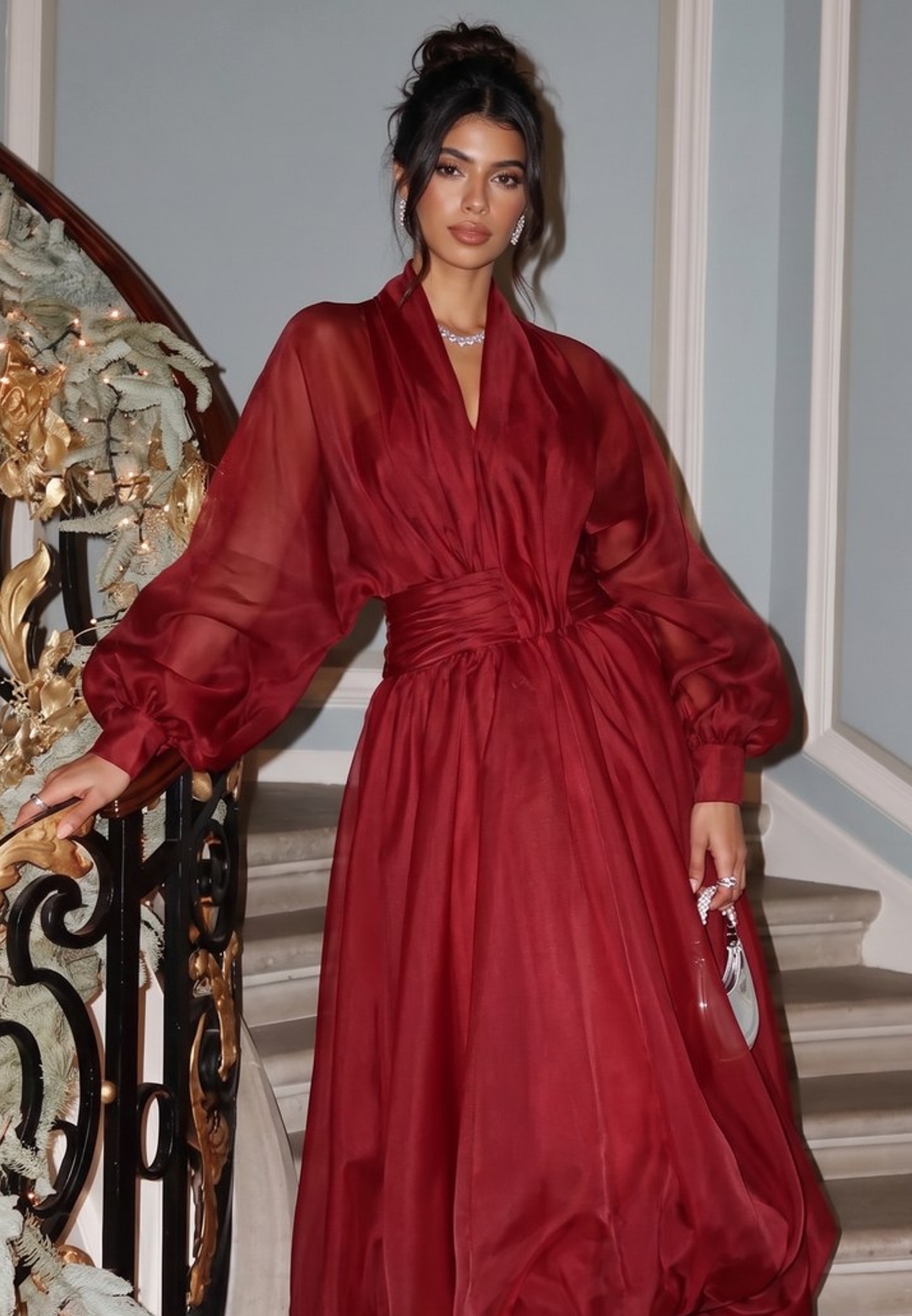
SHOP THE LOOK: Elsie Long Sleeve Cape Detail Maxi Dress
Let Fabric Set the Mood and Temperature
What to Evaluate
Velvet, satin, crepe, lace, and substantial knits all communicate autumn differently. Fabric weight and surface matter as much as color because they influence warmth, movement, shine, and how formal the dress appears. Review Twilight Whispers knit maxi dress as a current sunfere example or category reference. Treat the current sunfere example as a visual reference and verify the latest product details before purchase. Surface, drape, lining, and construction can change how a color or silhouette reads in motion, even when the still image appears straightforward.
For a heated indoor venue, prioritize breathability and movement, then use a removable layer outside. For a drafty space or an outdoor cocktail hour, consider sleeves, a denser weave, or a controlled cape detail instead of relying on a bulky coat all evening. Check the look in more than one light and from more than one angle. Daylight, warm indoor light, flash photography, and movement can reveal transparency, shine, texture, or contrast that is not obvious in a front-facing image.
Trade-Off and Final Check
Heavy fabric is not automatically warmer if the neckline, back, or hem exposes more skin. Judge the complete silhouette and your real temperature tolerance, not a fabric label by itself. The strongest option is not necessarily the most decorated one. Choose the piece whose material and construction already support the intended mood, so accessories can stay selective and the final outfit remains coherent.
Save one daylight and one indoor reference image of the complete combination. The pair will show whether color, texture, and detail remain readable across the conditions in which the outfit will be seen.
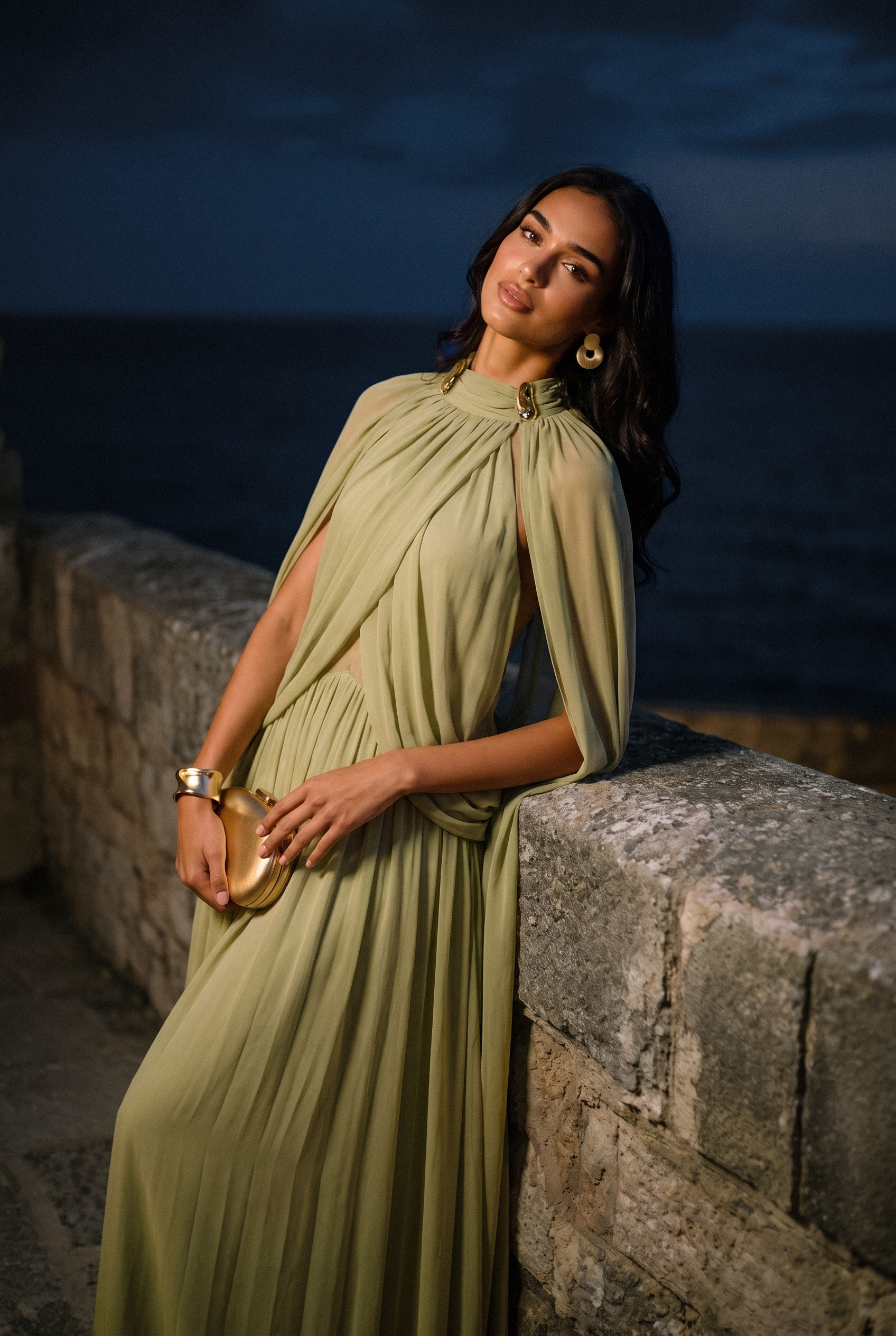
SHOP THE LOOK: Twilight Whispers Green Draped Cape Sleeve Knit Maxi Dress
Pick a Length That Works With the Venue
What to Evaluate
A midi length is a dependable cocktail choice because it reads polished while leaving room for movement, but knee-length and dressy mini options can also work when the venue and invitation are less formal. Review Nina pleated midi dress as a current sunfere example or category reference. Length and balance should be evaluated with the intended footwear and the real surface in mind. A silhouette that looks effortless while standing still may behave differently on stairs, grass, crowded floors, or during long periods of sitting.
Check the hem with the exact shoes you plan to wear. Walk stairs, sit, and take a full stride. For gravel, grass, wet pavement, or crowded rooms, a hem that clears the ground reduces both damage and distraction. Rehearse ordinary movements instead of posing only for a mirror. Walk a full stride, sit, reach, turn, and carry the planned bag or layer. Small problems found at home are easier to solve than repeated adjustments during the event.
Trade-Off and Final Check
Do not choose length only from a front-facing product image. Proportions change with height, shoe rise, and torso length, so compare the listed garment measurements with a dress you already like. If an element requires constant lifting, pulling, or repositioning, simplify it or choose another option. Ease of movement is part of a polished appearance because it lets the wearer focus on the occasion rather than the outfit.
Repeat the movement test after every footwear or layer change. Altering one component can change hem clearance, posture, and balance enough to reverse an earlier decision.
.jpg?w=1080&h=1610)
SHOP THE LOOK: Nina Asymmetry Pleated Halterneck Midi Dress
Use Sleeves and Necklines as Styling Tools
What to Evaluate
Long sleeves can reduce the need for a layer, while sleeveless and one-shoulder shapes create a cleaner canvas for a wrap or jacket. The neckline also determines jewelry scale and how formal the outfit feels. Review Elsie long-sleeve cape maxi dress as a current sunfere example or category reference. Build the visual hierarchy before adding more pieces. Decide what should be noticed first, then let the neckline, sleeve, texture, color, or accessory support that focal point rather than compete with it.
Choose one focal area: neckline, sleeve, texture, or jewelry. If the dress has a cape, strong shoulder, embroidery, or lace, keep necklaces and earrings quieter. If the neckline is simple, one sculptural accessory can add intention. Photograph the outfit with the layer or accessory in every state you will use: worn, removed, carried, and seated. This catches awkward proportions and practical problems that a single styled image cannot show.
Trade-Off and Final Check
Coverage should not be treated as a guarantee of warmth or comfort. Check lining, fabric composition, arm mobility, and whether a sleeve will fit comfortably under your outer layer. A useful finishing piece should work beyond one photograph. Prefer an element that can be stored, removed, and reused easily while preserving the dress silhouette and the intended level of formality.
Remove one accessory and review the outfit again. If the look becomes clearer, the extra piece was competing with the intended focal point rather than supporting it.
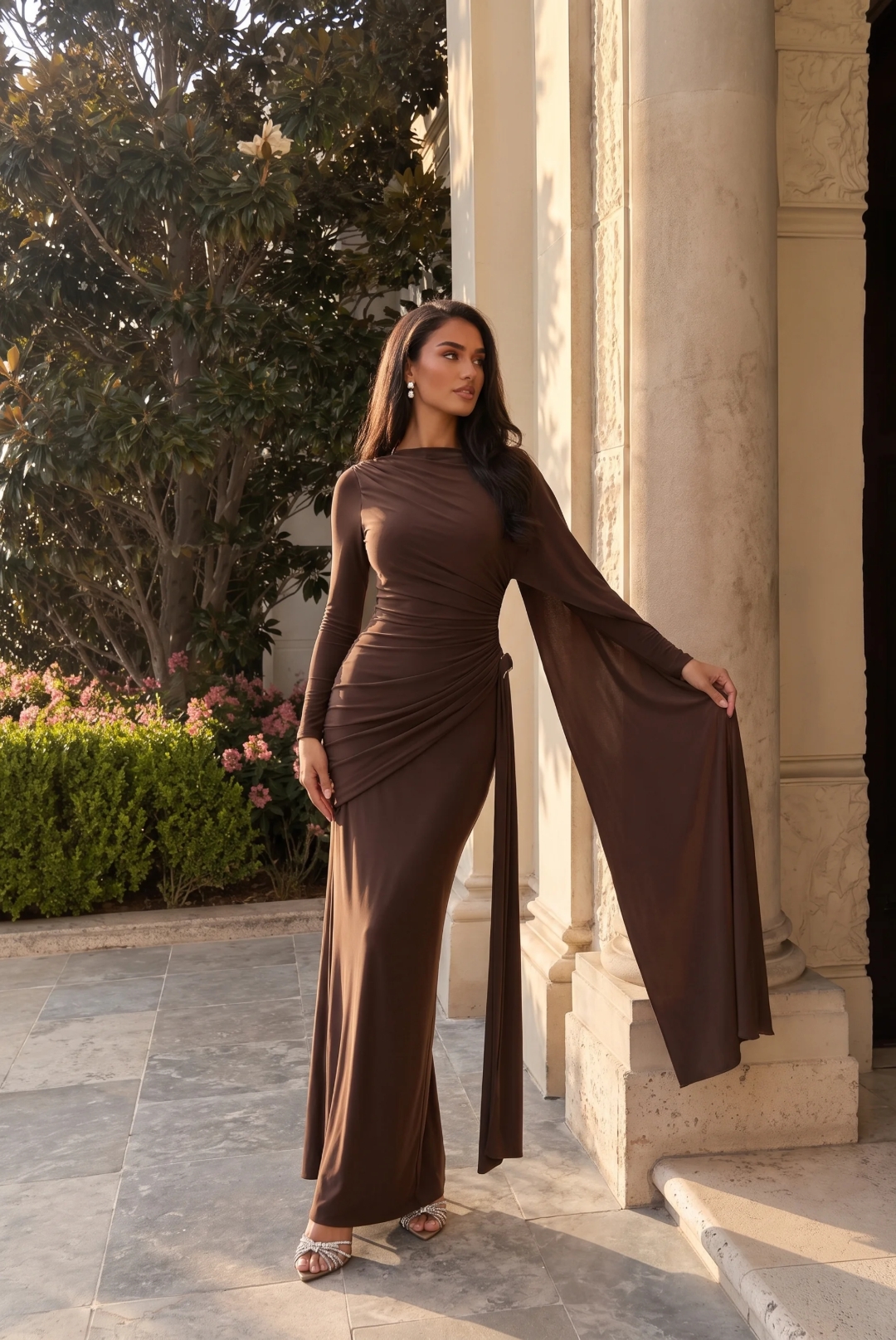
SHOP THE LOOK: Elsie Long Sleeve Cape Detail Maxi Dress
Layer Without Hiding the Dress
What to Evaluate
The best fall layer supports the dress rather than creating a second competing outfit. Choose a cropped jacket, tailored coat, fine wrap, or cape that works with the dress's proportions. Sunfere's Elena Spaghetti Strap Maxi Dress With Cape Blouse is a coordinated dress-and-layer example. Check how the cape blouse sits over the dress before adding a coat. Plan for arrival, temperature changes, coat storage, walks between locations, and removing the outer layer indoors. These transitions often determine whether the outfit stays comfortable and composed.
Photograph the dress with the layer buttoned, open, carried, and placed over the shoulders. Make sure the combined hem and shoulder proportions still look deliberate. Plan where the layer will go once dancing or dinner begins. Keep the contingency plan small and specific. One alternate shoe, one removable layer, or one repair item is more useful than several bulky backups chosen without a clear problem in mind.
Trade-Off and Final Check
Avoid buying a statement coat that only works for the arrival photo. The more practical choice is a layer you can remove easily, store safely, and reuse with other autumn outfits. Update the plan close enough to the event to use current weather, venue, and product information. Preparation should reduce uncertainty without turning a distant possibility into an overbuilt outfit.
Confirm who is responsible for carrying or storing each backup item. A contingency only helps when it is accessible at the moment the problem occurs.
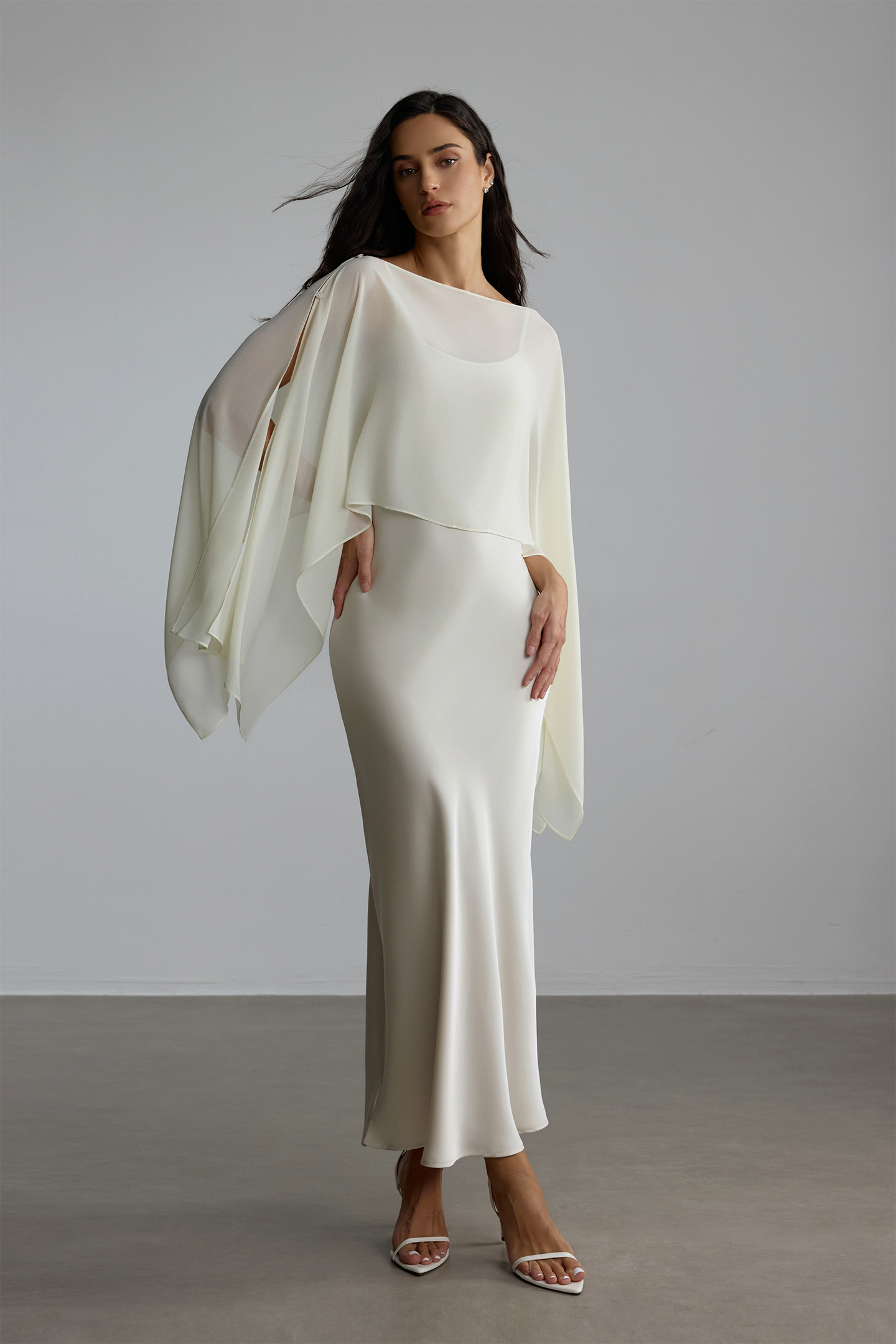
SHOP THE LOOK: Elena Spaghetti Strap Maxi Dress With Cape Blouse
Finish With Shoes, Bag, and Jewelry
What to Evaluate
Accessories should resolve the outfit, not introduce three new ideas. Lace, pleating, shine, and saturated color already provide visual information, so the supporting pieces can stay quieter. Review Madeline lace embroidered midi dress as a current sunfere example or category reference. Finish with a full comparison rather than evaluating each item alone. The dress, shoes, layer, bag, and accessories should solve the same occasion and repeat a clear visual idea without relying on explanation.
Match shoe stability to the floor surface, keep the bag large enough for phone and essentials, and repeat one metal tone across jewelry and hardware. Test the full outfit while standing and seated to catch snags, slipping straps, or an impractical heel. Use a simple final audit: appropriate, wearable, recognizable, and reusable. An option that passes all four tests is usually stronger than one that creates a dramatic first impression but fails on movement, care, or future wear.
Trade-Off and Final Check
A fall cocktail look does not require seasonal motifs. Subtle color, texture, and proportion usually age better in photographs than novelty accessories or an overly literal autumn palette. Save the current page and the measurements or details used for the decision, then recheck them before purchase. Availability, descriptions, and policies can change, so the final confirmation belongs on the live page rather than in an older note or screenshot.
Give the final choice a twenty-four-hour pause when timing allows. Returning with fresh attention often exposes a compromise that excitement or decision fatigue concealed.
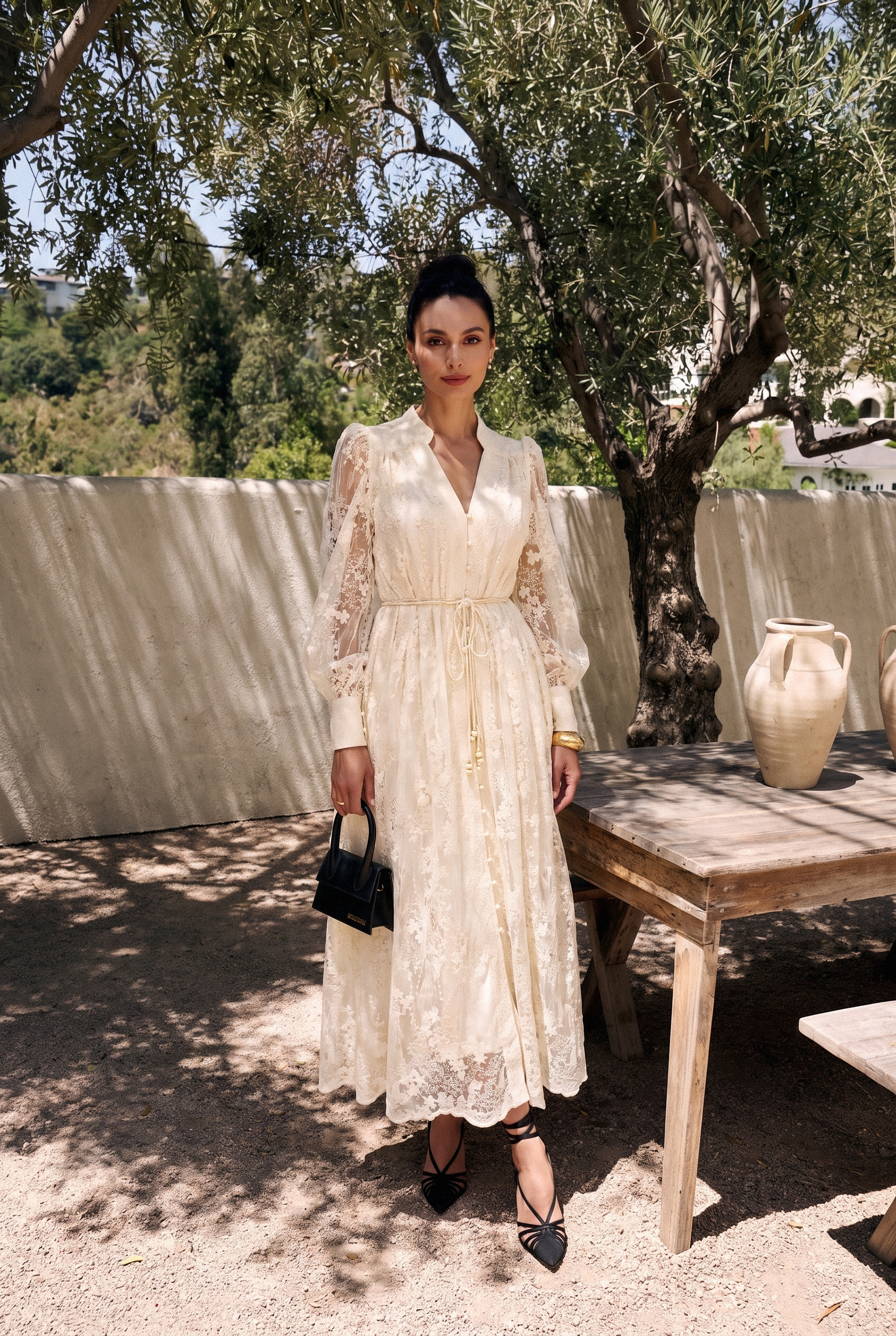
SHOP THE LOOK: Madeline V-Neck Lace Embroidered Midi Dress
Frequently Asked Questions
For additional visual context, sunfere cocktail dresses shows the current sunfere page most closely connected to this topic. The answers below are practical editorial guidance; always recheck event instructions, measurements, availability, care details, and policies on the current page.
Can a fall cocktail dress be long?
Yes, if the fabric and styling do not make it read as a formal gown. A streamlined ankle or maxi silhouette can work, but compare it with the invitation and venue.
Do I need long sleeves for a fall event?
No. A removable layer often gives more flexibility than choosing sleeves solely for warmth.
What color is safest when the invitation is vague?
A saturated neutral or jewel tone in a polished silhouette is usually versatile, but the venue and time of day should still guide the final choice.
.jpg?w=1258&h=1920)
SHOP THE LOOK: Catharine Floral Lace Sheer Maxi Dress
Explore the Next Step
When you are ready to compare current silhouettes, lengths, and details, browse the fall dress collection. Use the decision checks in this guide before choosing a product, and confirm the latest product information and store policies directly on sunfere.