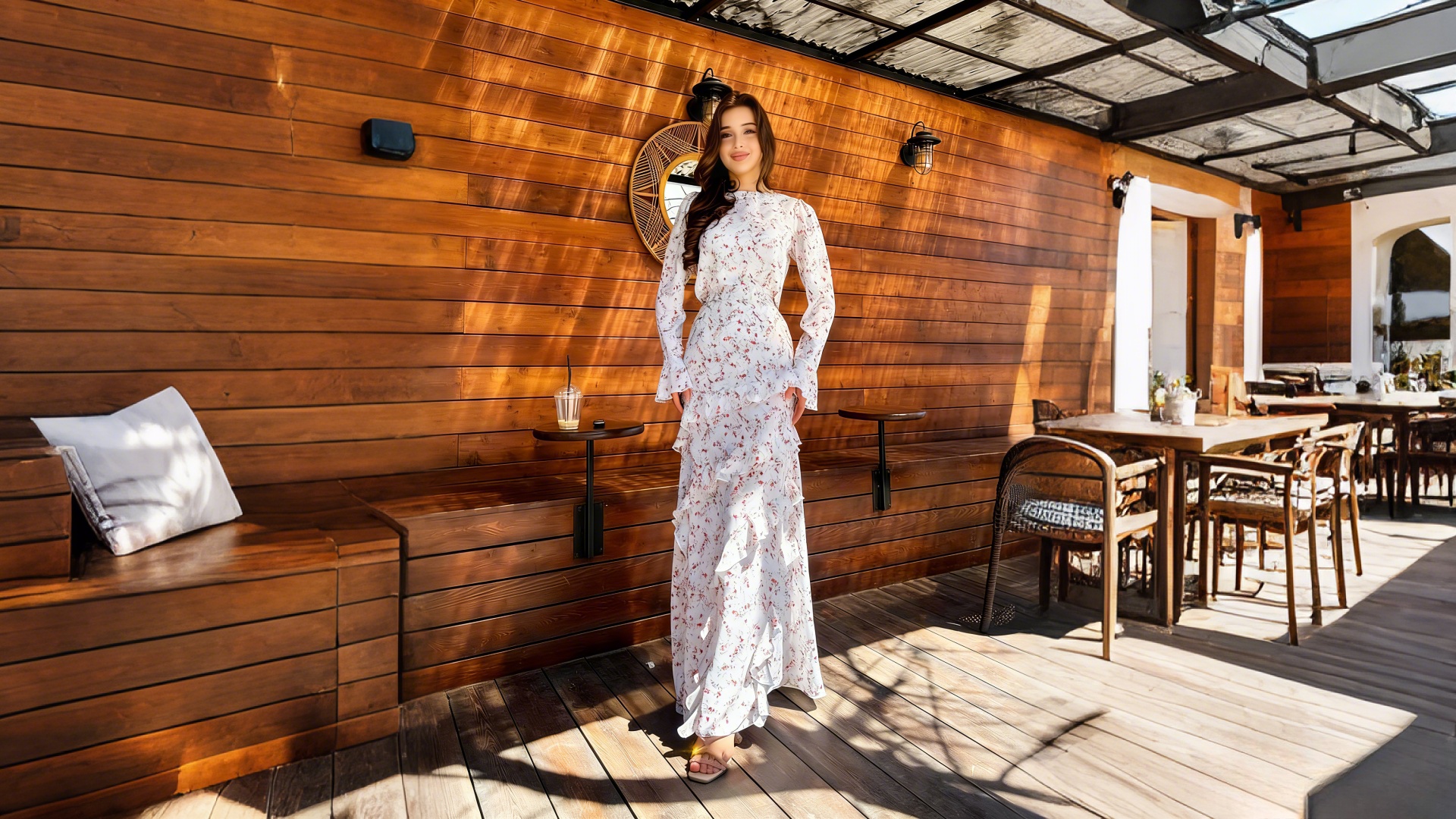

Discover the Best Traditional Eid Clothes for a Memorable Celebration
Eid is more than a holiday—it is a moment of shared meaning, reflection, and joy that connects communities across cultures and continents. During the Eid celebration, clothing becomes an essential part of how people express faith, heritage, and togetherness. Around the world, traditional Eid clothes reflect centuries of craftsmanship, regional identity, and cultural pride.
From richly woven silks to flowing silhouettes adorned with intricate embroidery, traditional Eid dresses tell stories of place and people. While modern fashion continues to influence global style, traditional attire remains deeply valued during Eid—honoring history while allowing room for personal style.
In this guide, we explore traditional Eid dresses around the world, highlighting the fabrics, designs, and cultural significance that make these outfits timeless. Whether worn for Eid ul Fitr or Eid ul Adha, these garments embody elegance, meaning, and celebration.
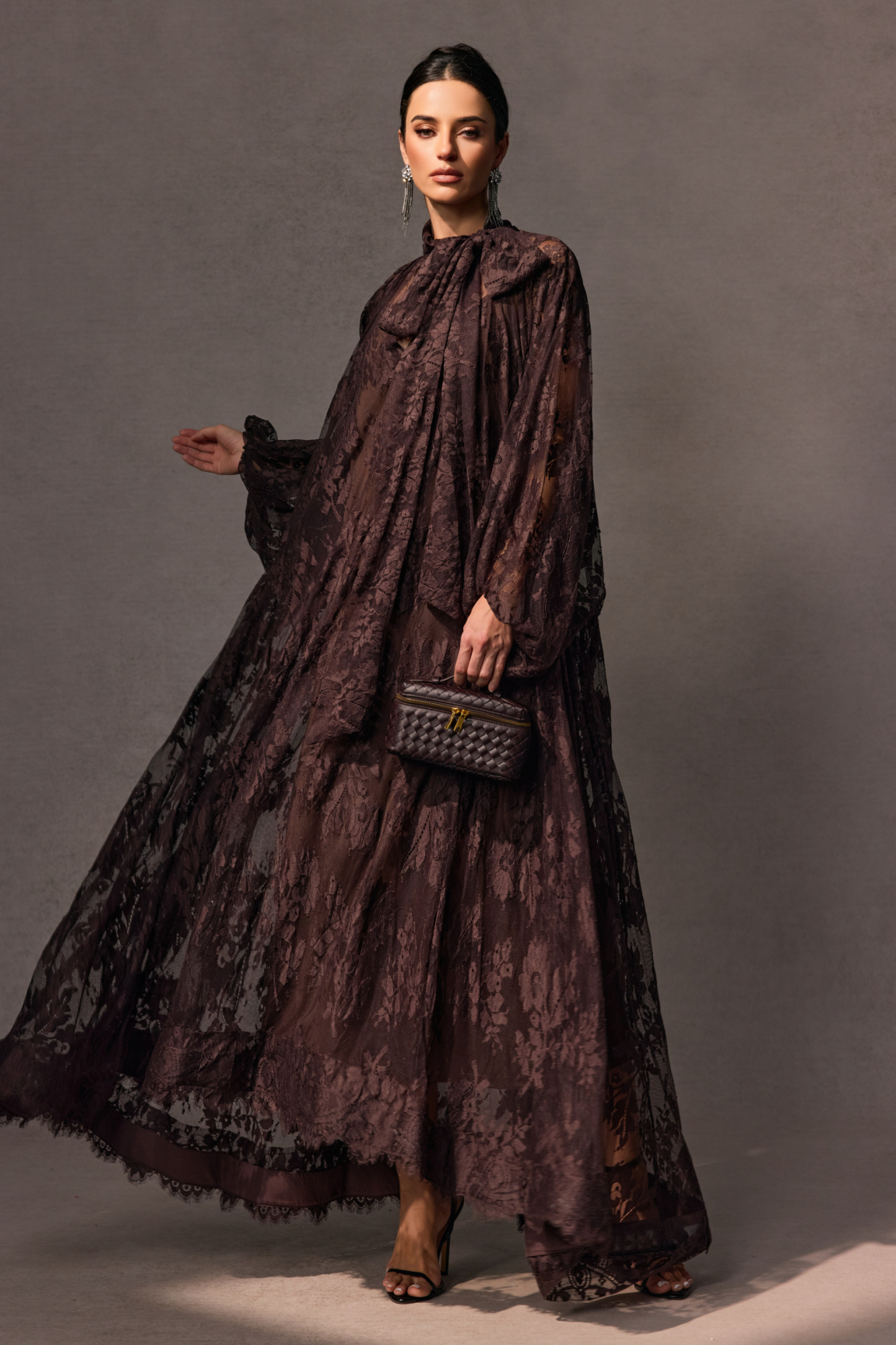
SHOP THE LOOK: Catharine Floral Lace Sheer Maxi Dress
The Cultural Significance of Traditional Eid Clothes
Eid marks the completion of Ramadan and the beginning of a festive season centered on gratitude, generosity, and unity. Clothing worn during Eid is never incidental—it reflects respect for the occasion and the values of Islam.
Traditional Eid clothes are designed to be modest yet celebratory, refined yet expressive. For many families, choosing Eid outfits is a ritual in itself—one that connects generations and reinforces cultural identity.
Across regions, traditional attire varies widely, but the intention remains the same: to celebrate Eid with dignity, beauty, and joy. These garments are worn not only to look elegant, but to honor the significance of the day.
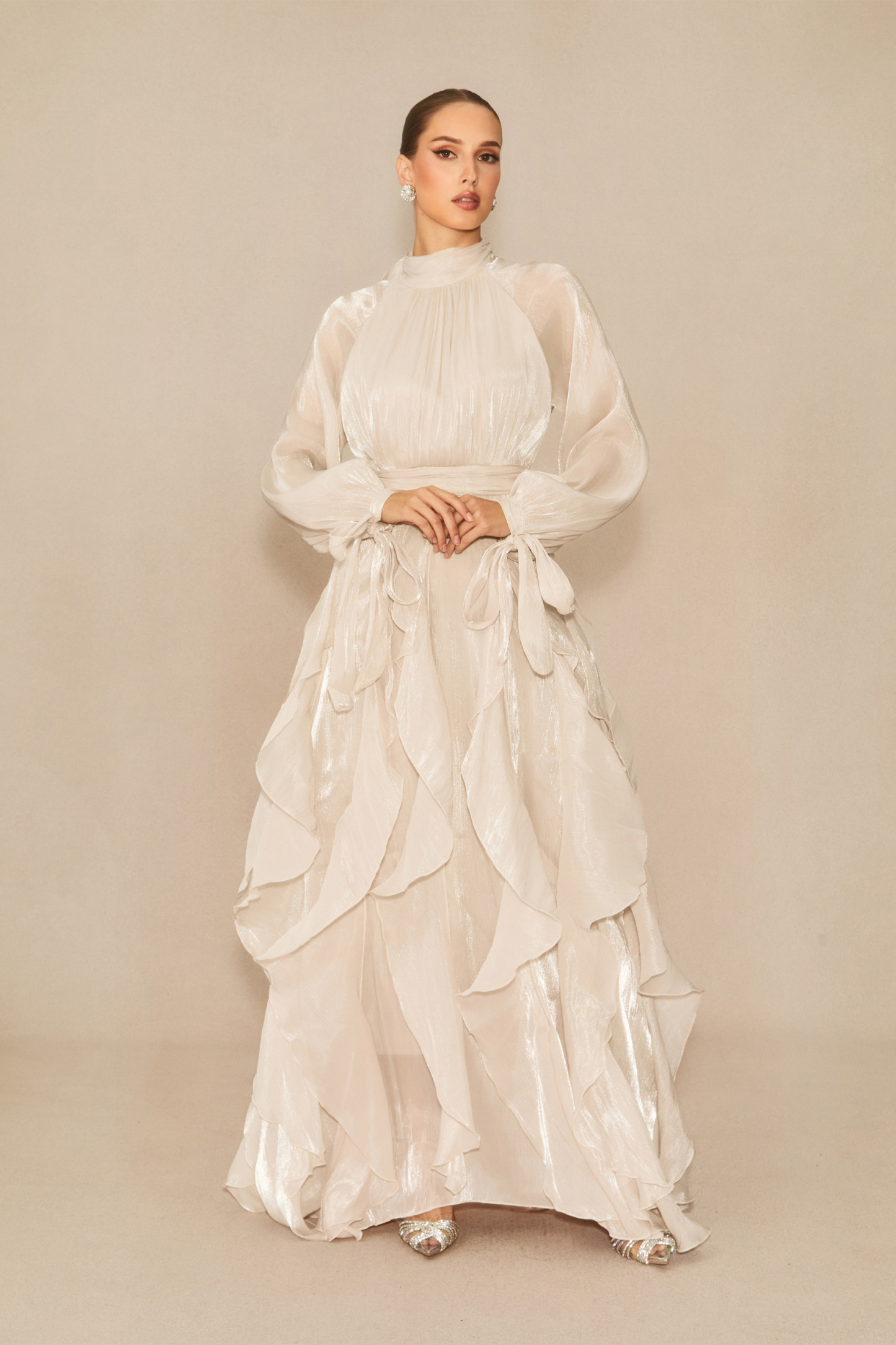
SHOP THE LOOK: Estella Puff Sleeve Ruffle Trim Maxi Dress
South Asia: Rich Heritage in Salwar Kameez & Anarkali Suits
In South Asia, traditional Eid dresses are deeply rooted in history and craftsmanship. Salwar kameez and anarkali suits are among the most popular Eid outfits for women, valued for their graceful silhouettes and cultural resonance.
Anarkali suits, with their fitted bodices and flared skirts, are often chosen for formal Eid celebrations. They embody traditional elegance while allowing freedom of movement throughout the day. Salwar kameez, typically paired with beautifully embroidered dupattas, offers comfort and versatility.
These outfits are often crafted from rich fabrics such as silk, organza, and velvet, and decorated with intricate embroidery, sequins, or mirror work. Vibrant colors—emerald, ruby, gold—reflect the joy of Eid and the celebratory spirit of the occasion.

The Middle East: Abayas & Timeless Elegance
In many Middle Eastern cultures, abayas form the foundation of traditional Eid attire. These flowing garments emphasize modesty and sophistication, often elevated for Eid through luxurious materials and artistic detail.
Eid abayas may feature gold accents, delicate embellishments, or finely stitched embroidery along sleeves and hems. Fabrics such as silk and chiffon enhance movement while maintaining structure.
While abayas are traditionally understated, Eid versions often include intricate designs that distinguish them from everyday wear. These garments are not just clothes—they are symbols of grace, faith, and cultural continuity.

SHOP THE LOOK: Kate Floral Print Tie Waist Maxi Dress
North Africa: Vibrant Colors & Artful Embellishments
Traditional Eid dresses in North Africa are known for their artistry and bold expression. Kaftans and flowing dresses are often worn, featuring layered construction and decorative belts.
Crafted from silk, velvet, or embroidered cotton, these outfits showcase intricate details and hand-finished embellishments. Gold threading, sequins, and ornamental fastenings highlight the celebratory nature of Eid.
The use of color is intentional and symbolic. Jewel tones and metallic accents create a sense of luxury while honoring tradition. These garments are worn during Eid festivities as expressions of cultural pride and joy.
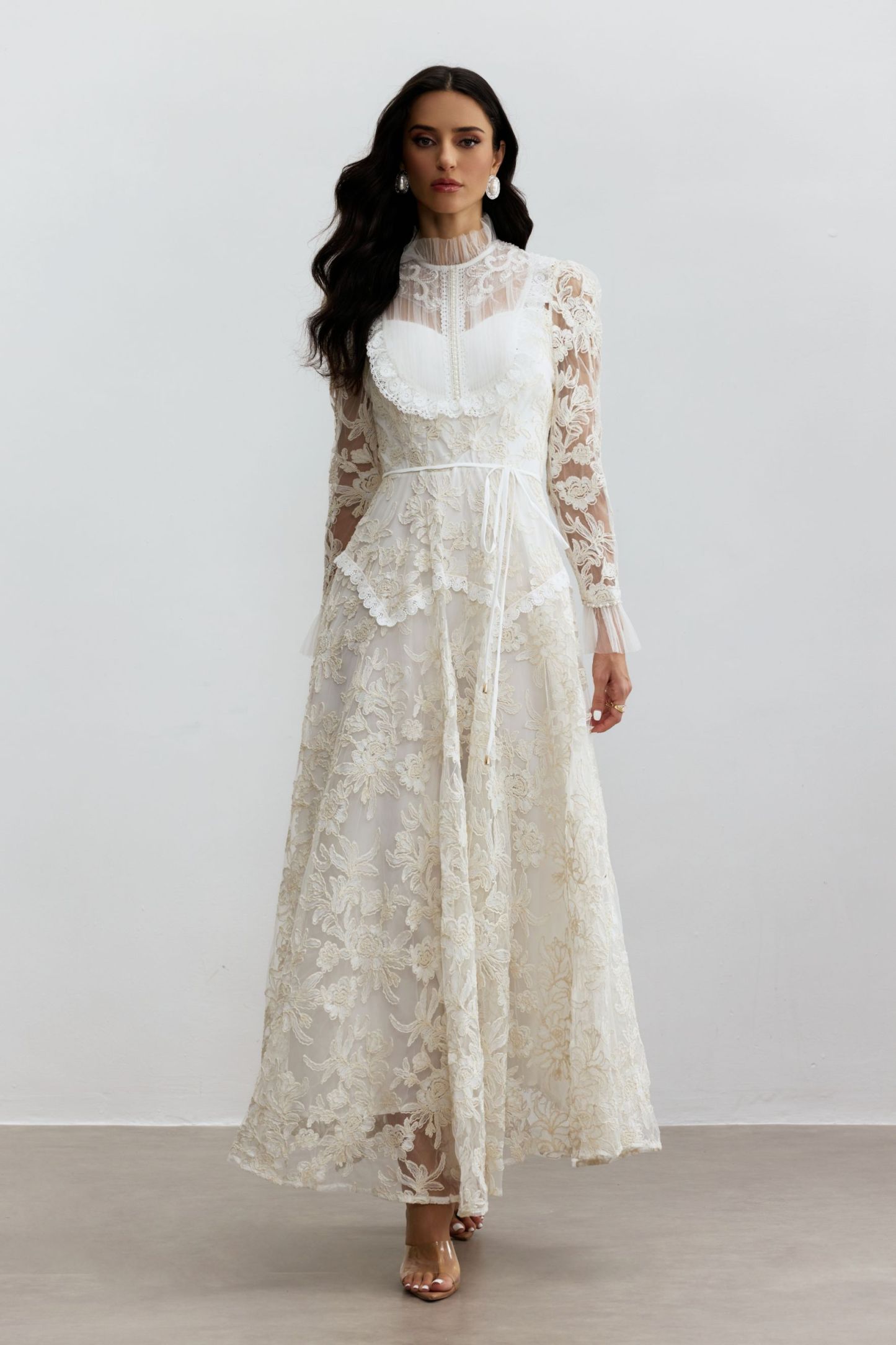
SHOP THE LOOK: Alice Floral Lace Mock Neck Maxi Dress
Southeast Asia: Modesty Meets Elegance
In regions such as Malaysia and Indonesia, traditional Eid clothes blend modest silhouettes with refined tailoring. Long dresses and coordinated outfits often feature lightweight fabrics suitable for warm climates.
Silk blends, cotton, and digital print patterns are common, allowing for breathable yet festive designs. Subtle embroidery and elegant draping create a polished look without heaviness.
These outfits reflect a balance between tradition and comfort—designed for prayer, family gatherings, and celebration throughout the day.

Fabrics & Materials That Define Traditional Eid Dresses
Fabric choice is central to traditional Eid attire. Across cultures, materials are selected not only for appearance but also for symbolism and comfort.
Silk is widely used for its sheen and cultural value, often associated with special occasions. Organza adds lightness and structure, while velvet is reserved for evening celebrations or cooler climates.
The careful selection of fabrics ensures that Eid dresses maintain their shape and beauty throughout the day. High-quality materials also allow for detailed craftsmanship, supporting embroidery, sequins, and layered construction.
_1445x.jpg?w=1770&h=2655&q=80)
Design Details: Craftsmanship Across Cultures
Traditional Eid clothes are defined by craftsmanship. Every stitch, embellishment, and pattern carries meaning.
Intricate embroidery, hand-applied sequins, and artistic motifs reflect regional traditions passed down through generations. These elements are not merely decorative—they are forms of cultural art.
Even small details, such as neckline finishes or sleeve patterns, contribute to the overall sense of elegance. Together, these details create outfits that feel both festive and meaningful.

SHOP THE LOOK: Monica Lace Embroidered Polka Dot Maxi Dress
Traditional vs Modern: How Styles Continue to Evolve
While traditional Eid dresses remain cherished, modern influences are increasingly visible. Many women now opt for outfits that blend classic silhouettes with contemporary tailoring.
This evolution allows traditional Eid clothes to remain relevant while honoring their roots. Modern fabrics, updated cuts, and subtle styling changes make these outfits suitable for today’s lifestyles.
The result is fashion that respects tradition while embracing change—ensuring Eid attire remains timeless.
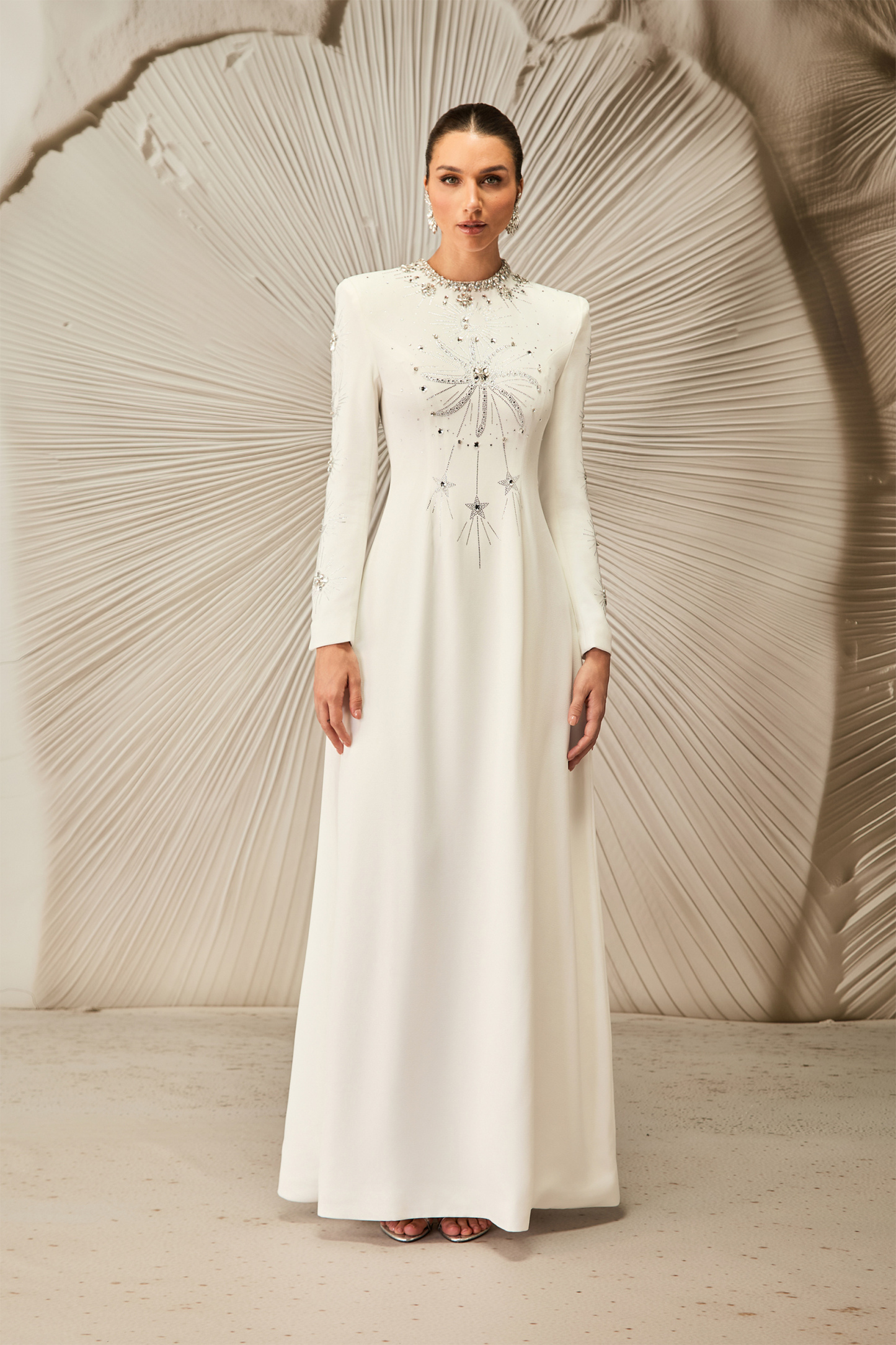
SHOP THE LOOK: Ramona Crystal Embellished Round Neck Maxi Dress
Choosing the Perfect Outfit for Eid
Selecting the perfect outfit for Eid involves more than aesthetics. Comfort, fit, and cultural alignment all matter.
Women often consider:
-
The formality of the occasion
-
Climate and duration of celebrations
-
Cultural expectations and personal preference
Traditional Eid dresses are designed to support long hours of celebration, movement, and connection. When chosen thoughtfully, they enhance the experience rather than distract from it.

SHOP THE LOOK: Exceptional Moments Pink Pleated Maxi Dress
Eid Fashion as a Shared Global Experience
Despite regional differences, Eid fashion shares a universal spirit. Across continents, traditional Eid clothes represent togetherness, gratitude, and celebration.
Families dress with intention, exchange gifts, and gather in joy. Clothing becomes a visual expression of unity—connecting people through shared values and traditions.
Whether worn in the UK, South Asia, the Middle East, or beyond, traditional Eid dresses carry a sense of continuity that transcends borders.
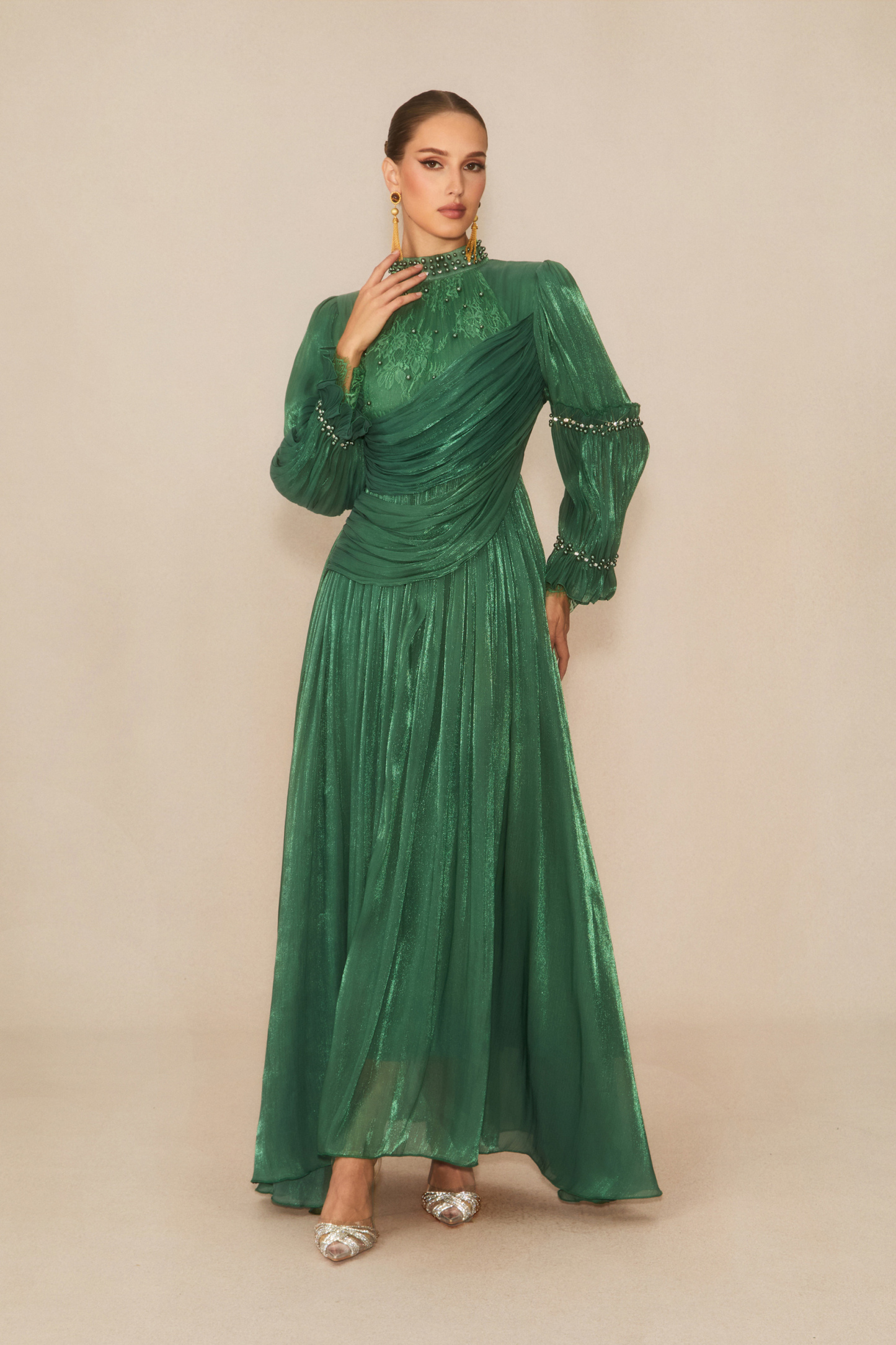
Shopping Traditional Eid Clothes Today
Today, many people purchase traditional Eid outfits online, allowing access to global styles and collections. When shopping, attention to fabric descriptions, sizing, and shipping timelines is essential—especially during peak festive periods.
Exploring curated collections helps shoppers find garments that align with cultural preferences and personal taste. A thoughtful selection process ensures satisfaction and confidence on Eid day.

SHOP THE LOOK: Deep Dreams Beige Lace Embroidered Lantern Sleeve Maxi Dress
FAQ: Traditional Eid Dresses
What are traditional Eid clothes?
Traditional Eid clothes are culturally rooted garments worn during Eid, reflecting regional heritage, modesty, and celebration.
Are salwar kameez suitable for Eid?
Yes. Salwar kameez is a popular traditional Eid outfit, valued for comfort and elegance.
What fabrics are commonly used in traditional Eid dresses?
Silk, velvet, organza, and cotton blends are commonly used for their beauty and durability.
Can traditional Eid dresses include modern elements?
Yes. Many outfits blend traditional design with modern tailoring or fabrics.
Why is clothing important during Eid?
Eid clothing reflects respect for the occasion, cultural identity, and the joy of celebration.
Explore More
Looking to explore beautifully crafted Eid attire inspired by tradition? Discover our curated Eid collection featuring timeless designs, elegant fabrics, and global influences.