

Your Everyday Winter Coat Will Stay On for an Outdoor Wedding: What Should You Avoid?
You can usually wear your everyday winter coat to an outdoor wedding ceremony. The key is whether it suits the conditions, closes comfortably over your outfit, and works with the event’s formality. Avoid sacrificing warmth for a dressier-looking layer or assuming you must buy another coat before trying the one you own.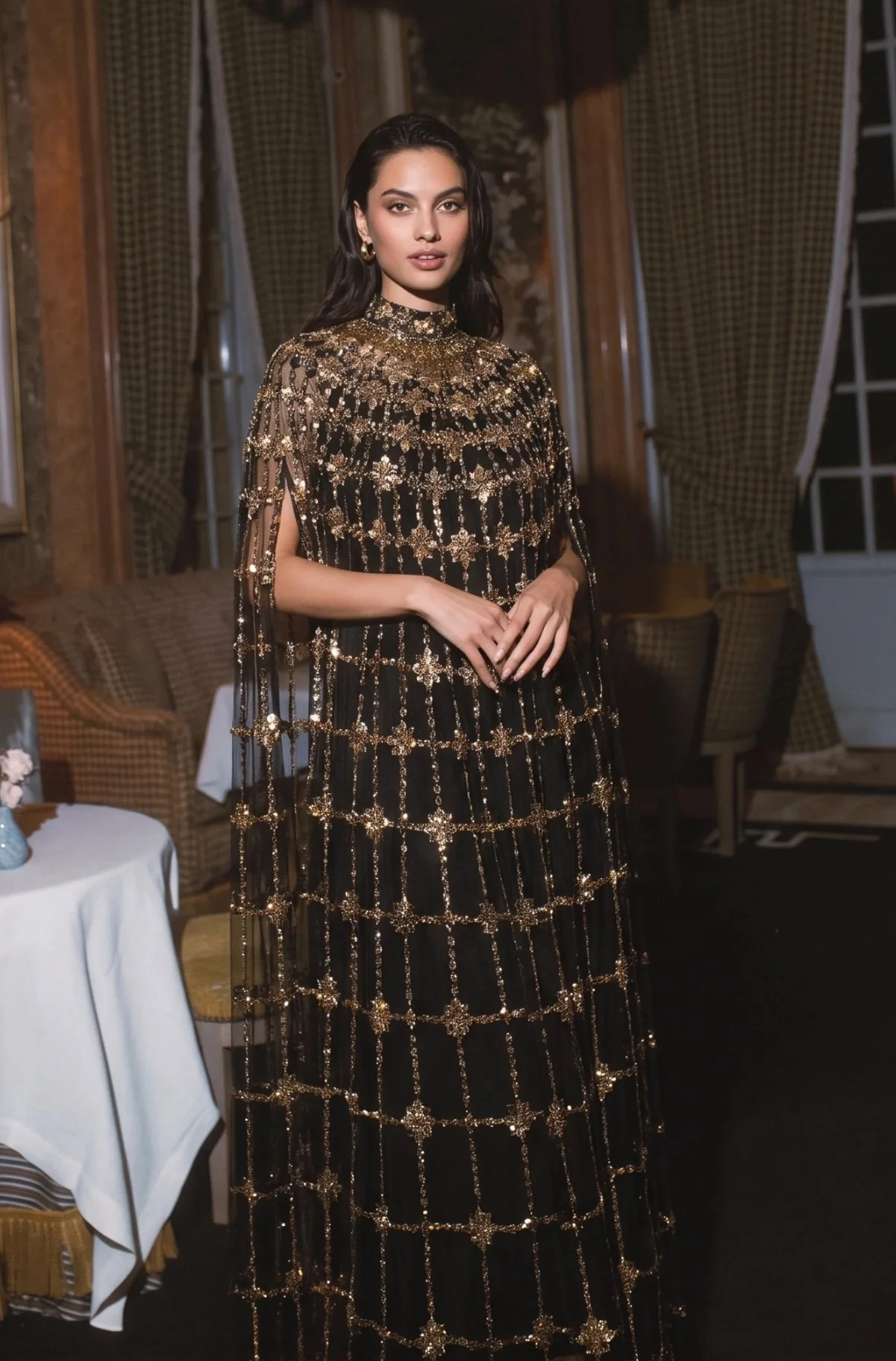
SHOP THE LOOK: The Main Event Crystal Embellished Cape Sleeve Maxi Dress
Which Everyday Coat Details Need a Closer Look?
If you have a suitable tailored coat, it is an easy place to start. A practical puffer may look more casual, especially with formal attire, but do not trade needed weather protection for a thinner layer. Assess the actual coat and setting rather than treating “everyday” as a dress-code category.
The details below are styling checks, not universal bans. Address what you can without removing protection you need.
| Detail to check | What to avoid | A practical adjustment |
|---|---|---|
| Condition | Visible stains, lint, heavy pilling, or bulging pockets. | Follow the care label; empty pockets and check in daylight. |
| Sporty features | Letting large logos or utility details dominate a formal outfit. | Use a plainer suitable coat if available; simplify accessories. |
| Hood and collar | A bulky hood crushing a hairstyle or catching earrings. | Test seated and turning; keep the hood if the weather calls for it. |
| Color | Choosing coat, scarf, and bag separately without checking them together. | Repeat one coat color in a shoe or bag; exact matching is unnecessary. |
| Length and shape | Assuming a coat must reach the dress hem, or judging only with it open. | Check the fastened silhouette and exposed skirt; coverage matters too. |
| Protection | Replacing a useful winter coat with a thin decorative cover-up. | Choose for the full outdoor schedule and expected conditions. |
A tidy coat with room for your outfit is a better starting point than an elaborate attempt to disguise it. Do not remove a useful hood in rain or choose a less suitable coat just to eliminate one casual detail.
A Short Coat Over a Long Dress: Check the Skirt, Not Just the Hems
A dress hem showing below a shorter coat is not automatically a problem. Fasten the coat, then sit and walk: does it flatten a full skirt, bunch the fabric at the opening, or tug against the dress as you move? Choose the combination for its proportions, freedom of movement, and coverage rather than trying to make both hems line up.
Example: Your Warmest Coat Is a Puffer
For an exposed ceremony, keep the coat that works for the conditions and simplify the rest of the look. If you have access to an equally practical, plainer option, compare it. For a formal event with unclear outerwear expectations, ask about the setup before spending on a replacement.
SHOP THE LOOK: Properly Charming Embellished Lace Peplum Jacket & Pleated Dress Set
The Invitation Says “Outdoor Ceremony.” What Happens Before the Vows?
Plan for the whole outdoor portion, not just the vows. Waiting, walking between buildings, and photographs may keep you outside longer than the ceremony itself.
Check these details before deciding your usual coat is enough:
- Which parts are outside, including waiting and photographs?
- Is there shelter or an indoor waiting area?
- What are the expected daytime and evening conditions, including wind or rain?
- How far will you walk from transportation to the ceremony?
A brief walk into a heated venue and a wait in an open courtyard are different clothing problems. A short ceremony does not automatically mean a light cover-up will be enough.
SHOP THE LOOK: Night To Remember V-Neck Lace Panel Maxi Dress
The Coat Looks Fine Open, but Can You Sit With It Fastened?
Avoid testing the coat only while it is open. It needs to work fastened and seated, over the layers you will actually wear.
Put on your intended undergarments, dress, and indoor layer. Fasten the coat and check for pulling across the chest, compressed sleeves, or fabric caught around the hips.
Sit down, reach for your bag, and stand again. A full skirt or raised shoulder detail may need more room than your everyday clothes do. After removing the coat, check for a shifted neckline, twisted straps, or bunched sleeves.
A detail such as the flared cuffs on the Gloria Long Sleeve Flared Hem Midi Dress needs its own check beneath a close coat sleeve. The listing also describes long sleeves and semi-sheer construction, so consider the room needed around the cuffs and your intended underlayer together. Keep the combination only if you can put the coat on and take it off without bunching or repeatedly catching the dress.
Locate the conflict before replacing anything. Sometimes a different indoor layer solves it; sometimes the coat and dress simply need more room together.
SHOP THE LOOK: Gloria Long Sleeve Flared Hem Midi Dress
When the Prettier Layer Is the Less Practical Option
A shawl, cape, or cropped jacket can finish an outfit, but its occasionwear appearance does not establish how well it will protect you outdoors. Assess the actual garment and conditions rather than choosing by its name.
Avoid relying on a thin wrap for an extended outdoor wait, planning to keep your coat open throughout, or assuming that holding it over your shoulders will be comfortable in wind.
An indoor wrap can travel beneath your coat if there is room for both, but it should not make the sleeves tight or prevent the coat from closing. If adding layer after layer makes the combination awkward, reconsider the arrangement. The practical question behind winter wedding warmth without bulk is where each layer earns its place: outside for the ceremony, inside for coverage, or both.
Keep any needed weather protection. A longer wool-style coat may look more formal, but length and fabric labels alone do not guarantee enough warmth or rain protection.
SHOP THE LOOK: Quietly Chic Boat Neck Satin Wrap Maxi Dress
Plan for Photographs With the Coat On
Your coat may appear in arrival, seated-ceremony, and group photographs. Treat it as a visible part of the outfit rather than something you must remove whenever a camera appears.
Check the fastened outfit from the front and side, including the scarf, visible skirt, shoes, and bag. You do not need every piece to match; repeating one color can connect the look without adding more accessories.
Example: A Black Work Coat Over a Burgundy Midi
A clean black coat can feel more connected to the dress with black shoes or a black bag. Choose footwear for the actual ground and weather, and let the dress supply the occasion detail indoors. This is a styling option, not a promise that any black coat fits every dress code.
If you want a coat-off photograph, use a comfortable indoor opportunity. The photograph should not decide whether you keep a needed layer on.
SHOP THE LOOK: Cute Simplicity Pink Textured Knit Maxi Dress & Cardigan Set
Check Zippers and Cuffs Before They Meet Lace or Beading
Before leaving, check the points where the coat and accessories touch the dress:
- Zippers, exposed hooks, or hook-and-loop closures near lace and beading.
- Tight cuffs catching flared sleeves or raised embellishments.
- A scarf or necklace that snags when you turn your head.
- A bag strap that slides off the coat or pulls at the neckline.
If something catches, stop rather than pulling the layers apart. A combination that repeatedly snags needs a different arrangement, not an improvised fix just before departure.
SHOP THE LOOK: Luxury Feel Black Beaded Embellished Jacket & Pleated Dress Set
Indoors, the Dress Has to Work on Its Own
Once the coat comes off, the dress still needs to suit the invitation’s formality and coverage requirements. Test the indoor look with the shoes and any layer you plan to keep through dinner.
Do not rely on the coat to hide a fit problem or replace an indoor layer you actually need. You should be able to sit, reach, and move comfortably in both versions of the outfit.
If you are still choosing among wedding guest dresses, make the indoor fit and coverage requirements part of your shortlist. A large sleeve or raised shoulder detail needs room beneath the coat; a neckline that relies on frequent adjustment may be harder to manage under several layers. Check the actual garment measurements and description, then try the combination rather than assuming a sleeve length or fabric name guarantees compatibility.
Where Will the Coat Go During Dinner?
Check whether the venue has a coat check or designated storage. Transfer essentials to your bag before handing the coat over; ask where a damp coat should go rather than leaving it against the dress.
Keep the coat accessible for your own departure, especially if you may leave early or move between venues. A coat in someone else’s car is not useful when your plans change.
SHOP THE LOOK: Elsie Long Sleeve Cape Detail Maxi Dress
Buy Another Coat Only When You Know What It Needs to Fix
Before buying another coat, name the specific problem you need to solve. “Mine does not feel wedding-like” may be a styling concern rather than a reason to replace it.
- Condition: clean or care for the coat according to its label.
- Styling: simplify the scarf and bag, or repeat one color already in the outfit.
- Fit or weather protection: try another coat you own, borrow, or consider a suitable rental.
- An unresolved dress-code conflict: ask the designated contact about the outdoor arrangements and your practical options.
Buy only when your available options do not solve the problem. Try a replacement over the full outfit, check whether you will wear it again, and verify delivery and return terms before ordering.
Use the outerwear collection to compare construction once you know the gap you need to fill. A cropped jacket, decorative layer, and longer coat can have very different roles; inspect the individual closure, length, and composition rather than treating everything in the collection as protection for an outdoor ceremony.
SHOP THE LOOK: Glamorous Choice Pink Embroidered Lace Jacket & Pleated Skirt Set
Try the Whole Transition, Not Just the Arrival Look
Before leaving, rehearse the transition from outdoor ceremony to indoor reception. Fasten the coat, sit, stand, reach for the bag, and remove it again.
- You know which parts of the event are outdoors and have checked the expected conditions.
- The coat closes comfortably over the actual dress and layers.
- Fasteners and accessories do not repeatedly catch on the dress.
- You are comfortable with the coat remaining visible during the ceremony.
- The indoor outfit meets the invitation’s requirements without relying on the coat.
- You know where the coat will go and how you will retrieve it before leaving.
If both versions work, stop redesigning the outfit. A tidy everyday coat that fits the occasion and conditions can be a more useful choice than a new layer bought only for one photograph.
SHOP THE LOOK: Fall For Me V‑Neck Layered Ruffle Dress & Jacket Set
FAQs About Winter Coats at Outdoor Weddings
Can I wear a cream or white coat over a colored wedding guest dress?
Check any guest color restrictions before choosing a cream or white coat that will remain visible throughout the ceremony. If the instructions leave this unclear, ask about the complete coat-on outfit rather than assuming the colored dress underneath settles the question.
What if my everyday coat is my only warm option?
Start with that coat and make the outfit as tidy and coordinated as practical. If the invitation sets specific outerwear expectations that you cannot meet, explain your options to the designated contact before buying; borrowing or renting may help, but do not replace needed protection with an inadequate layer.
Can I use the same coat for the wedding and the next-day brunch?
Yes, you can use the same coat when it suits both events and works over each outfit. Check the brunch location and any separate clothing guidance rather than assuming the wedding’s requirements carry over.
